
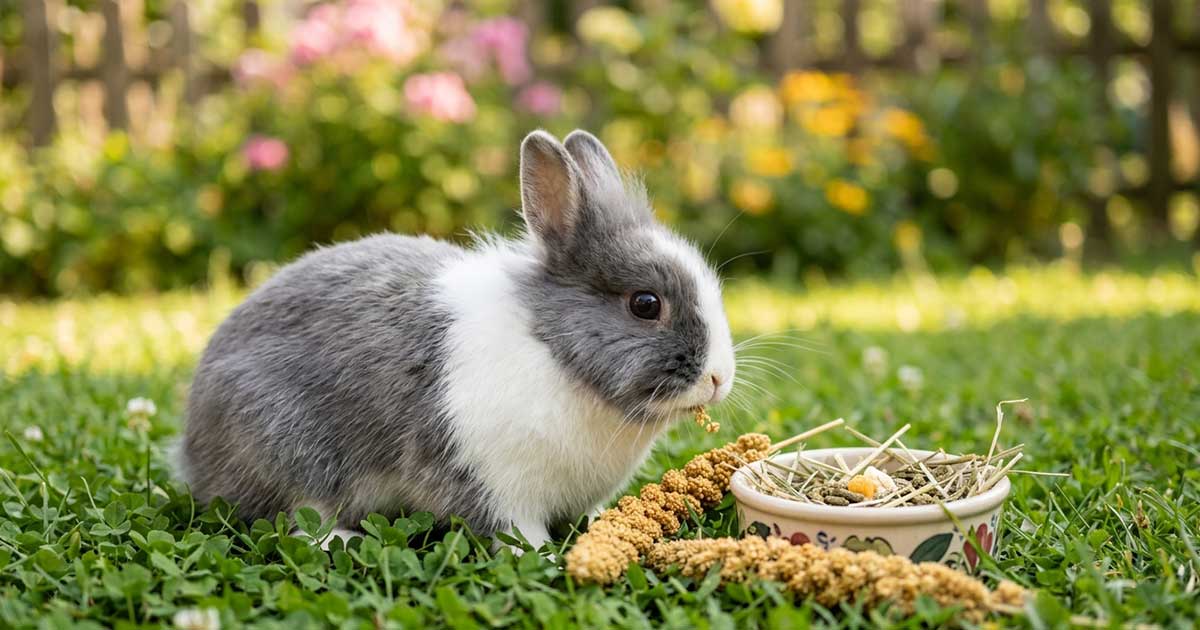
As a pet parent, you might be wondering if millet, that humble cereal grain, is safe for your fluffy friend. The good news is, yes, rabbits can eat millet!
Why Millet is Good for Rabbits
Millet is a natural food for rabbits, often found in their wild diet. It’s packed with essential nutrients like fiber, protein, and minerals, making it a great seed treat for your bunny. Here are some benefits of millet for rabbits:
- High in fiber, which aids in digestion and keeps their teeth healthy.
- Low in fat, making it a suitable treat for rabbits that need to watch their weight.
- Rich in protein, which is crucial for the growth and maintenance of your rabbit’s body.
How to Serve Millet to Your Rabbit
While millet is safe and beneficial for rabbits, it’s important to feed it in moderation. Here’s how you can serve millet to your rabbit:
- Offer millet as an occasional treat, not a replacement for their regular diet.
- Ensure the millet is thoroughly cleaned and dried to prevent mold growth.
- Feed small amounts at a time, starting with just a few seeds to monitor your rabbit’s reaction.
How Much Millet is Safe for Rabbits?
The serving size of millet for rabbits depends on their size and appetite. A good rule of thumb is to offer no more than 1-2 teaspoons of millet per 2 pounds of body weight, once or twice a week. Always introduce new foods gradually to avoid digestive upset.
Frequently Asked Questions
1. Can rabbits eat millet every day?
No, millet should be given as an occasional treat, not a daily part of their diet. Rabbits need a balanced diet consisting of 80-90% hay, 5-10% pellets, and 5-10% fresh vegetables and fruits.
2. What happens if my rabbit eats too much millet?
Eating too much millet can lead to digestive upset, such as gas, bloating, or diarrhea. In severe cases, it can cause liver damage or even death. Always introduce new foods gradually and monitor your rabbit for any signs of distress.
3. Can baby rabbits eat millet?
No, baby rabbits (kittens) should not be given millet until they are at least 12 weeks old. Before that, they should only be fed a diet of their mother’s milk and eventually, high-quality rabbit pellets. Introduce millet gradually once they reach 12 weeks of age.