
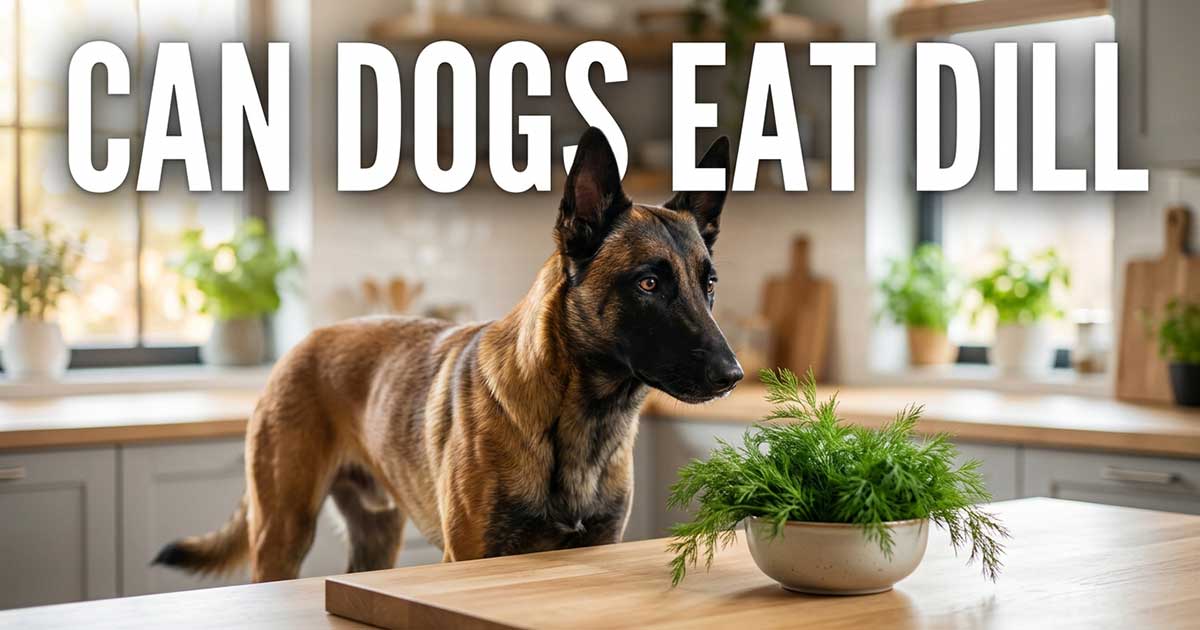
Hello, pet parents! Today, we’re diving into the culinary world to explore a common kitchen herb: dill. You might be wondering, “Can dogs eat dill?” The short answer is yes, and we’re here to explain why.
Why Dill is Safe for Dogs
Dill, a plant from the same family as parsley and celery, is non-toxic to dogs and can be safely consumed in small amounts. It’s low in calories, fat, and cholesterol, making it a guilt-free snack for your furry friend.
Benefits of Dill for Dogs
- Gas relief: Dill is known for its carminative properties, which means it can help reduce gas in dogs. If your dog is prone to flatulence, a small serving of dill might be helpful.
- Digestive aid: Dill can stimulate the production of digestive juices, aiding in digestion and preventing upset stomachs.
How Much Dill Is Safe for Dogs?
While dill is safe for dogs, it’s essential to introduce it gradually and in moderation. A pinch or two mixed in with their food should be sufficient. Start with a small amount and monitor your dog for any adverse reactions. If you notice any changes in their behavior or digestion, discontinue use and consult your vet.
Which Parts of the Dill Plant Are Safe?
Both the leaves and the stems of the dill plant are safe for dogs. The seeds, however, contain essential oils that can be too strong for dogs and may cause stomach upset if consumed in large amounts. It’s best to stick with the leaves and stems.
Frequently Asked Questions
1. Can I give my dog dill every day?
While dill is safe, it’s not necessary to give it to your dog every day. Occasional use, when your dog is experiencing digestive issues, is recommended.
2. What if my dog eats a large amount of dill?
If your dog consumes a large amount of dill, they might experience stomach upset, including vomiting or diarrhea. If you notice any concerning symptoms, contact your vet.
3. Can I grow dill for my dog?
Yes, you can grow dill at home for your dog. Just ensure it’s kept separate from other plants that could be toxic to dogs, like onions or garlic. Always introduce homegrown herbs gradually to your dog’s diet.
Dill can be a helpful addition to your dog’s diet, but remember, moderation is key. Always consult your vet if you’re unsure about introducing new foods to your dog.