
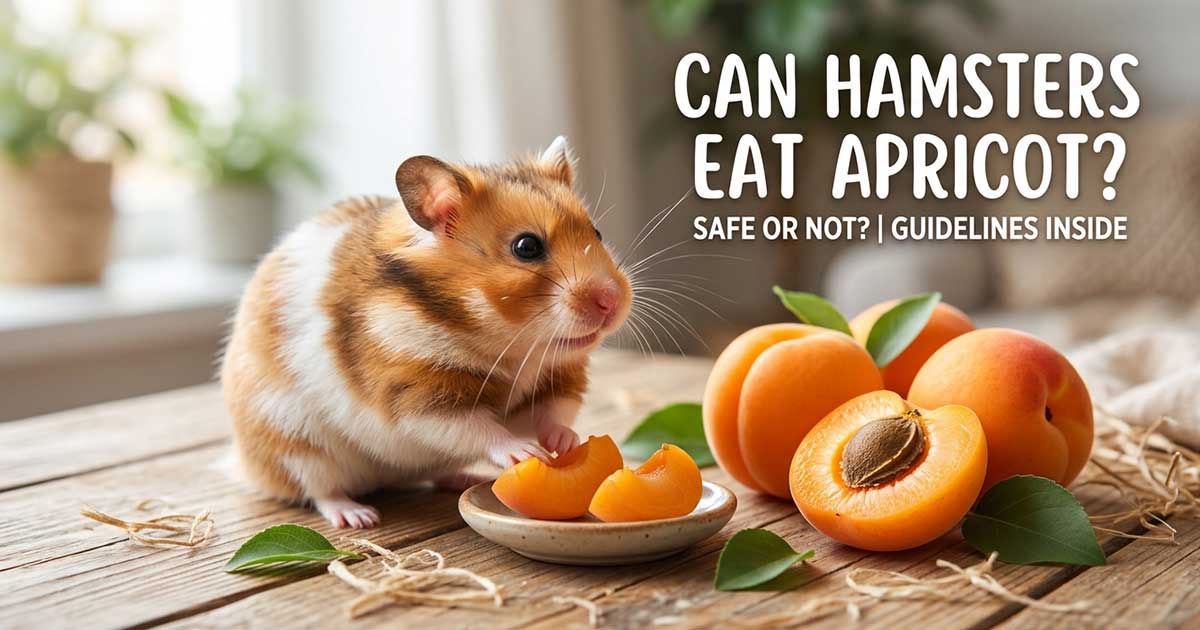
As pet parents, we’re always on the lookout for tasty treats to give our furry friends. But when it comes to fruits, it’s not as simple as sharing what’s on your plate. So, can hamsters eat apricot? The short answer is yes, but with caution. Let’s dive into the details.
Apricot: A Sweet Treat, But Watch Out!
The sweet, juicy apricot can be a delightful surprise for your hamster, but it’s crucial to remember a few things. First and foremost, remove the pit! Apricot pits contain a substance called amygdalin, which breaks down into cyanide when metabolized. Cyanide is toxic to both humans and hamsters. Even a small amount can cause serious harm.
Secondly, apricots are high in sugar. While a tiny bit won’t hurt, feeding your hamster too much can lead to dental issues and obesity. So, moderation is key!
How Much Is Safe?
So, how much apricot can your hamster safely enjoy? Not much, unfortunately. A tiny piece of apricot flesh, about the size of a pea, once or twice a week should be more than enough. Remember, hamsters have tiny tummies, and their diet should primarily consist of commercial hamster food.
- Remove the pit before giving any apricot to your hamster.
- Give only a small piece, about the size of a pea, once or twice a week.
- Monitor your hamster for any signs of digestive upset after introducing apricot to their diet.
Frequently Asked Questions
Can I feed my hamster dried apricots?
It’s best to avoid dried fruits, including dried apricots. They’re high in sugar and lack the moisture that’s crucial for your hamster’s digestive health.
What if my hamster ingested an apricot pit?
If you suspect your hamster has ingested an apricot pit, or if you notice any signs of illness, contact your vet immediately. Symptoms of cyanide poisoning include panting, difficulty breathing, and seizures.
Can I give my hamster other fruits as treats?
Yes, many fruits are safe for hamsters in small amounts. Some examples include apple, banana, and blueberries. However, always remember to remove any seeds or pits and to introduce new foods gradually to avoid digestive upset.