
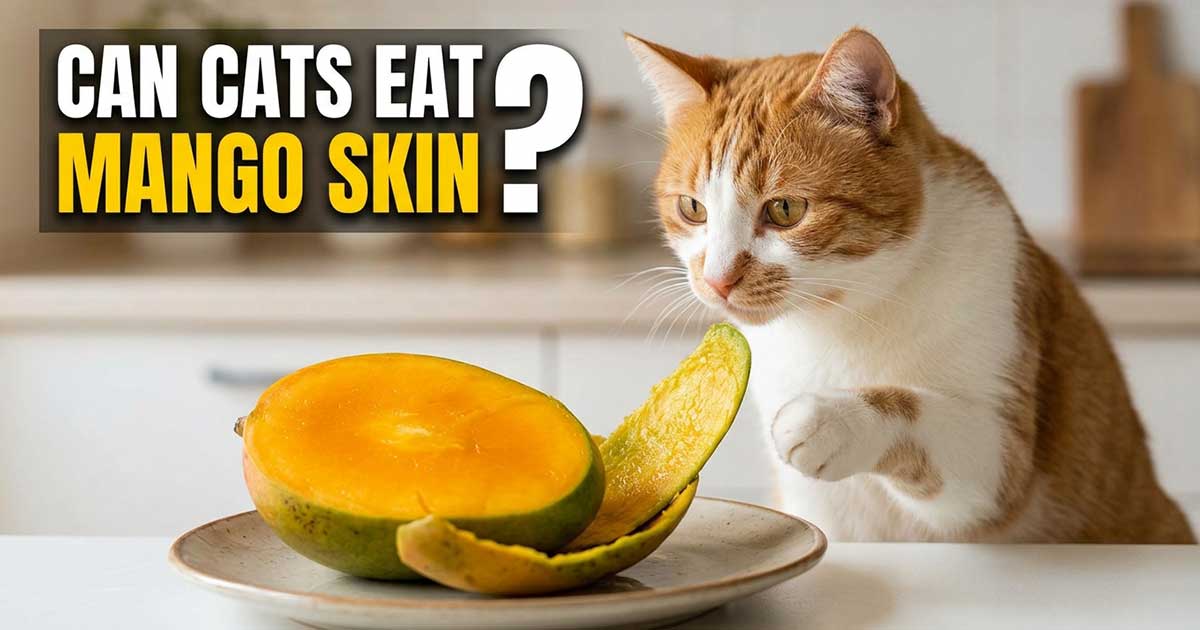
Hello, fellow pet parents! Today, we’re diving into the tasty world of mangoes and finding out if our feline friends can join us in enjoying this juicy treat. Spoiler alert: they can’t have the skin, but let’s explore why and what they can eat instead.
Is Mango Skin Safe for Cats?
Sadly, no. Mango skin is not safe for our beloved cats. Here’s why:
- Digestive Issues: Cats lack the necessary enzymes to digest plant material efficiently. Mango skin, being a tough and fibrous material, can cause digestive upset, leading to symptoms like vomiting and diarrhea.
- Choking Hazard: The skin is also a choking hazard, especially for smaller cats. It could potentially cause blockages in their digestive system if swallowed.
- Toxicity: While not toxic to cats, the skin contains a substance called urushiol, which can cause skin irritation and allergic reactions in some cats.
Warning: Always remove the skin and pit before offering mango flesh to your cat.
What Can Cats Eat? The Flesh, of Course!
Good news! Cats can enjoy the flesh of ripe mangoes in moderation. It’s a great source of vitamins A, B6, C, and E, as well as potassium and fiber. However, remember that mangoes are high in sugar, so they should be given as an occasional treat, not a regular part of their diet.
How Much Is Safe?
The general rule is to feed your cat no more than 10% of their daily calories in treats. For a typical 10-pound cat, that’s about 1-2 teaspoons of mango flesh per day. Always introduce new foods gradually and watch for any signs of digestive upset.
Frequently Asked Questions
1. Can kittens eat mango?
It’s best to avoid giving mango to kittens under one year old. Their digestive systems are still developing, and they may be more sensitive to new foods.
2. Can cats have mango juice?
No. Mango juice is high in sugar and can cause digestive upset and dental issues in cats. Stick to plain, fresh water for your feline friend.
3. What about other fruits? Can cats eat them too?
Some fruits, like bananas and blueberries, are safe and nutritious for cats in moderation. However, many fruits, like grapes and raisins, are toxic to cats. Always research new foods before sharing them with your cat.
As always, if you have any concerns about your cat’s diet, consult your veterinarian. They can provide personalized advice based on your cat’s health, age, and activity level. Until next time, happy mango munching (for you, not your cat!)