Home Blog Page 9

Can Dogs Eat Tuna? Complete Guide

0

We’ve all been there – sitting down for a delicious tuna salad or sandwich, and our furry friend looks up at us with those adorable eyes, begging for a taste. But can dogs eat tuna? The short answer is yes, but it’s not as simple as sharing your plate. Let’s dive into the details and make sure your pup stays happy and healthy.

Understanding the Concerns

Tuna itself is not toxic to dogs, and many dogs enjoy it as an occasional treat. However, there are a few concerns to keep in mind:

  • High Mercury Content: Tuna, especially albacore, is high in mercury, which can be harmful to dogs if consumed in large amounts. Mercury can cause damage to your dog’s organs, including the brain and kidneys.
  • Pancreatitis Risk: Canned tuna in oil can increase the risk of pancreatitis in dogs, a serious condition that requires immediate veterinary care.
  • Sodium Intake: Canned tuna often contains high levels of sodium, which can lead to dehydration, sodium ion poisoning, or exacerbate existing health issues like heart disease in dogs.

Best Tuna Options for Dogs

If you do choose to give your dog tuna, opt for plain, cooked fresh tuna or canned tuna in spring water with no added salt. Fresh tuna should be cooked thoroughly to kill any parasites and cut into small, manageable pieces. When using canned tuna, make sure to drain the liquid first to reduce sodium intake.

Remember: Tuna should always be an occasional treat, not a regular part of your dog’s diet. The occasional taste won’t hurt, but making it a habit can lead to health issues down the road.

How Much Is Safe?

So, how much tuna is safe for your dog to eat? A small amount, once or twice a month, is generally acceptable. Here’s a simple guide:

  • For small dogs (under 20 lbs): No more than a small teaspoon of tuna at a time.
  • For medium dogs (20-50 lbs): No more than a tablespoon at a time.
  • For large dogs (over 50 lbs): No more than a tablespoon to a small quarter-cup at a time.

Always monitor your dog for any signs of digestive upset, such as vomiting or diarrhea, after giving them tuna. If you notice any issues, consult your veterinarian.

Frequently Asked Questions

Can I Give My Dog Canned Tuna Packed in Oil?

It’s best to avoid canned tuna packed in oil due to the risk of pancreatitis. Opt for canned tuna in spring water instead.

Can I Give My Dog Tuna Packets Meant for Cats?

While it might seem convenient, tuna packets meant for cats often contain added salt and preservatives that aren’t suitable for dogs. Stick to plain, canned tuna in spring water or fresh cooked tuna for your dog.

What if My Dog Accidentally Eats Too Much Tuna?

If you suspect your dog has eaten too much tuna, monitor them for signs of digestive upset, such as vomiting or diarrhea. If they show no signs of illness within 24 hours, they should be fine. However, if they do show signs of illness or you’re concerned, don’t hesitate to contact your veterinarian.

Can Dogs Eat Turkey? Complete Guide

0

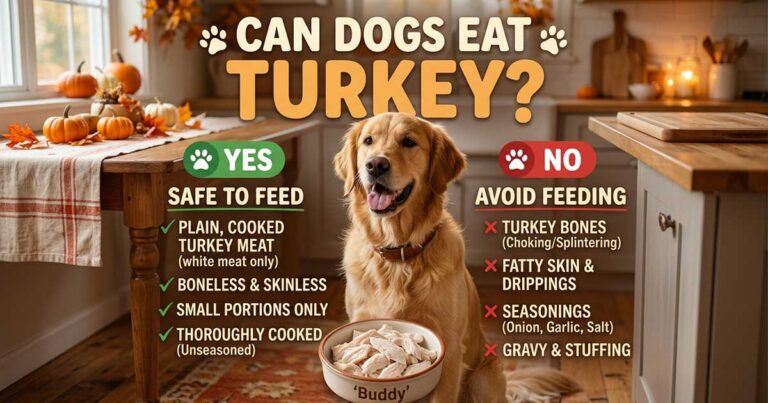
Ah, turkey – the star of many a holiday feast. But can our furry friends join in on the fun? The short answer is yes, dogs can eat turkey. In fact, it’s an excellent treat for them. But, as always, there are some rules to follow to ensure your dog stays happy and healthy.

Why Turkey is a Pawsome Choice

Turkey is a great source of high-quality protein for your dog. It’s also low in fat, which is a big plus considering many dog foods are high in fat. Plus, it’s easy to digest, making it a great occasional treat.

  • High Quality Protein: Turkey is packed with the protein your dog needs to build and maintain strong muscles.
  • Low Fat: Unlike many other meats, turkey is relatively low in fat, making it a healthier option for your pooch.
  • Easy to Digest: Plain cooked turkey is gentle on your dog’s stomach, making it a great occasional treat.

Preparing Turkey for Your Dog

When giving your dog turkey, there are a few things to remember:

  • Always ensure the turkey is cooked thoroughly to kill any harmful bacteria.
  • Remove all bones, as they can splinter and cause harm if ingested.
  • Avoid giving your dog the skin, as it’s high in fat and can cause stomach upset or worse, pancreatitis.
  • No seasonings! Garlic, onion, and many other seasonings are toxic to dogs.

How Much Is Safe?

Turkey should be given as an occasional treat, not a regular part of your dog’s diet. A good rule of thumb is to keep treats to no more than 10% of your dog’s daily caloric intake. So, if your dog eats 300 calories a day, no more than 30 calories should come from turkey.

Start with small amounts and watch for any signs of stomach upset, such as vomiting or diarrhea. If your dog tolerates it well, you can gradually increase the amount, but remember, moderation is key!

Frequently Asked Questions

Can I Give My Dog Leftover Turkey?

Yes, you can give your dog leftover turkey, but make sure it’s plain and hasn’t been sitting out for too long. Also, ensure it’s been stored properly in the fridge and reheated thoroughly before giving it to your dog.

What About Turkey Bones?

Never give your dog turkey bones, or any bones for that matter. They can splinter and cause harm if ingested, leading to choking, internal punctures, or intestinal blockages.

Can I Give My Dog Stuffing?

No, stuffing often contains onions, garlic, or other seasonings that are toxic to dogs. It may also contain raisins or grapes, which are also harmful to dogs. Stick with plain cooked turkey for your pup.


Can Dogs Eat Turmeric? Complete Guide

0

Hello, fur parents! Today, we’re diving into the spice rack to explore the question: can dogs eat turmeric? The answer is a resounding yes, and we’ve got some pawsome benefits and serving tips to share with you.

Why Turmeric is Great for Dogs

  • Anti-inflammatory: Turmeric contains curcumin, a compound with powerful anti-inflammatory properties. This can help manage your dog’s joint pain and inflammation.
  • Antioxidant: Curcumin is also a potent antioxidant, helping to protect your dog’s cells from damage caused by harmful molecules called free radicals.
  • Arthritis aid: Due to its anti-inflammatory and antioxidant properties, turmeric may help alleviate symptoms of arthritis in dogs.

But remember, always introduce new foods gradually and in moderation. Let’s talk about how to serve turmeric to your furry friend.

How to Serve Turmeric to Your Dog

Start with a small pinch of turmeric powder mixed into your dog’s food. You can gradually increase the amount as you observe how your dog responds. A popular method is creating a golden paste:

  • Mix 1/2 teaspoon of turmeric, 1/4 teaspoon of black pepper, and 1/2 teaspoon of coconut oil.
  • Add 1 tablespoon of hot water at a time, mixing well until you reach a paste-like consistency.
  • Store in the refrigerator and give your dog 1/4 teaspoon for every 10 pounds of body weight, mixed into their food.

How Much Turmeric is Safe for Dogs?

The general recommendation is to start with a small pinch (about 1/8 teaspoon) per meal and gradually increase to no more than 1/4 teaspoon per 10 pounds of body weight. Always monitor your dog for any signs of stomach upset or allergic reactions.

Frequently Asked Questions

1. Can I give my dog turmeric tablets?

It’s best to consult your vet before giving your dog turmeric tablets. They can determine the appropriate dosage and ensure it’s safe for your dog, considering any underlying health conditions or medications.

2. Can turmeric stain my dog’s teeth?

Yes, turmeric can temporarily stain your dog’s teeth. To minimize staining, you can give your dog a dental chew or bone after administering turmeric, or consult your vet about dental care options.

3. Is turmeric safe for puppies?

It’s generally safe for puppies to consume small amounts of turmeric, but it’s best to consult your vet first. They can provide guidance based on your puppy’s age, weight, and overall health.

And there you have it, fellow pet parents! Turmeric can be a fantastic addition to your dog’s diet, offering a range of health benefits. As always, consult your vet before adding any new foods to your dog’s diet, and enjoy the journey to a happier, healthier pup!


Can Dogs Eat Turnip? Complete Guide

0

Hello, pet parents! Today, we’re going to tackle a common question: Can dogs eat turnip? The short answer is yes, dogs can eat turnip in moderation. Let’s explore this root vegetable’s benefits, how to serve it, and how much is safe for your furry friend.

Benefits of Turnips for Dogs

Turnips are not only delicious but also packed with nutrients that can benefit your dog. Here’s what they offer:

  • Low Calorie: Turnips are low in calories, making them an excellent treat option for dogs watching their weight.
  • High in Fiber: They’re rich in fiber, which aids in digestion and keeps your dog feeling full.
  • Vitamins and Minerals: Turnips are loaded with vitamins A, C, and K, as well as calcium, potassium, and iron.

How to Serve Turnips to Your Dog

Now that you know turnips are safe for dogs, let’s talk about how to serve them. Here are some tips:

  • Raw or Cooked: You can offer turnips raw or cooked. Cooking makes them softer and easier to digest, but either way is fine.
  • Plain: Avoid adding any seasonings, as onions and garlic are toxic to dogs.
  • Small Pieces: Cut turnips into small, bite-sized pieces to prevent choking hazards.

How Much Is Safe?

While turnips are safe for dogs, moderation is key. Too much of any human food can cause digestive upset in dogs. Start by offering a small piece of turnip and monitor your dog for any adverse reactions. If your dog tolerates it well, you can gradually increase the amount.

As a general guideline, treats should make up no more than 10% of your dog’s daily caloric intake. So, adjust the amount of turnip accordingly based on your dog’s size, age, and activity level.

Frequently Asked Questions

Can dogs eat turnip greens?

Yes, dogs can also eat turnip greens in moderation. They’re packed with nutrients and can be served raw or cooked. However, they may cause gas or bloating in some dogs, so introduce them gradually.

What if my dog eats too many turnips?

If your dog eats too many turnips, they may experience digestive upset, such as vomiting, diarrhea, or abdominal pain. If you notice any of these signs, contact your vet. However, turnips are generally well-tolerated by dogs, so serious issues are rare.

Can dogs with certain health conditions eat turnips?

Turnips are safe for most dogs, but it’s always a good idea to check with your vet if your dog has any specific health concerns or is on a special diet. For example, dogs with kidney issues may need to avoid high-oxalate vegetables like turnips.

And there you have it, folks! Turnips can be a tasty and nutritious addition to your dog’s diet. Just remember to introduce them gradually, monitor for any adverse reactions, and stick to the 10% treats rule. Happy feeding!

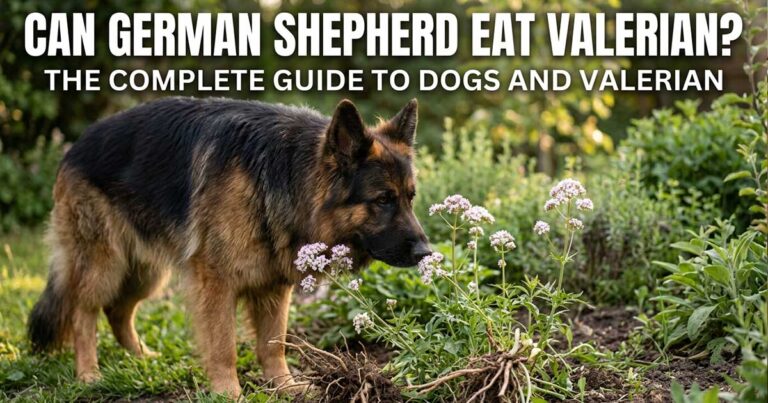
Can Dogs Eat Valerian? Complete Guide

0

Hello, pet parents! Today, we’re diving into the intriguing world of valerian and our furry friends. You might be wondering, “Can dogs eat valerian?” Well, grab a treat for your pup and let’s find out together!

What is Valerian?

Valerian is a perennial flowering plant native to Europe and Asia, but it’s also cultivated in the United States. Its root is what’s typically used for medicinal purposes, thanks to its calming compounds. In humans, valerian is often used to help with anxiety and sleep disorders. But what about our dogs?

Can Dogs Eat Valerian? The Verdict

While valerian isn’t toxic to dogs in small amounts, it’s not something you should just add to your dog’s diet willy-nilly. In fact, the ASPCA lists valerian as a plant that can cause skin irritation if ingested or touched. However, some pet parents and vets report that valerian may have calming effects on dogs.

Note: If you think valerian might help with your dog’s anxiety, always consult your vet first. They know your dog’s health history best and can provide personalized advice.

How Much is Safe?

There’s no one-size-fits-all answer to this, as it depends on your dog’s size, weight, and overall health. However, a general starting point is a small amount, about 1/8 of a teaspoon per 10 pounds of body weight, once or twice daily.

Here’s a simple breakdown:

  • Small dogs (under 20 lbs): 1/16 teaspoon
  • Medium dogs (20-50 lbs): 1/8 teaspoon
  • Large dogs (50-100 lbs): 1/4 teaspoon
  • Giant dogs (over 100 lbs): 1/2 teaspoon

Remember, it’s always best to start with the smallest serving size and monitor your dog for any adverse reactions. If you notice anything unusual, stop using valerian and contact your vet.

Preparing Valerian for Your Dog

If you decide to give valerian a try, it’s best to use valerian root capsules or extracts. You can break open the capsules and mix the powder with your dog’s food. Always ensure the product is pure valerian and free from fillers and other ingredients that could be harmful to your dog.

Frequently Asked Questions

1. Can valerian help with my dog’s fear of fireworks?

While some pet parents report success using valerian for noise anxiety, it’s not a guarantee. Every dog is unique, so what works for one might not work for another. Always consult your vet for personalized advice.

2. Is it safe to give my dog valerian every day?

It’s not recommended to give your dog valerian every day, as we don’t yet know the long-term effects of regular use. Stick to using it on an as-needed basis, such as during thunderstorms or vet visits.

3. Can valerian make my dog sleepy?

In some cases, yes. Valerian can cause drowsiness in dogs, just like it does in humans. If you notice your dog becoming excessively sleepy after taking valerian, stop using it and contact your vet.

And there you have it, folks! Valerian can be a helpful tool in managing your dog’s anxiety, but it’s important to use it judiciously and under the guidance of your vet. Always prioritize your dog’s safety and well-being.

Until next time, keep those tails wagging and those bellies full of love!

Can Dogs Eat Venison? Complete Guide

0

Hello, pet parents! Today, we’re diving into the world of canine cuisine to explore the age-old question: can dogs eat venison? The short answer is a resounding yes, but stick around to find out why it’s such a pawsome choice and how to serve it safely.

Why Venison is Excellent for Dogs

  • Very Lean Protein: Venison is incredibly lean, making it an excellent source of protein for your dog. It’s lower in fat than other meats like beef or pork, which can be beneficial for dogs prone to weight gain or certain health conditions.
  • Good for Food Sensitivities: Venison is often used in hypoallergenic dog foods because it’s less likely to cause allergic reactions than more common proteins like chicken or beef. If your dog has food sensitivities, venison could be a game-changer!
  • Rich in Nutrients: Venison is packed with essential nutrients like iron, zinc, and B vitamins. It’s also high in omega-3 fatty acids, which can help support your dog’s skin and coat health.

With all these benefits, it’s no wonder that venison is a popular choice among pet parents. But before you rush to the butcher, let’s talk about how to serve it safely.

How to Serve Venison to Your Dog

When it comes to feeding your dog venison, the key is to cook it thoroughly and keep it simple.

  • Cooked Only: Raw or undercooked meat can harbor harmful bacteria like Salmonella or E. coli. Always cook venison until it’s no longer pink in the middle and the juices run clear.
  • No Seasoning: Stick to plain, unseasoned venison. Spices, herbs, and garlic can be toxic or cause digestive upset in dogs.
  • No Bones: While bones can be a natural way for dogs to clean their teeth, they can also pose a choking hazard or cause digestive upset. It’s best to avoid them.

Once your venison is cooked, you can mix it into your dog’s regular food or serve it as a tasty treat. Remember, new foods should be introduced gradually to avoid upsetting your dog’s tummy.

How Much Venison is Safe for Dogs?

The amount of venison your dog can safely eat depends on their size, age, and overall health. A general rule of thumb is to feed your dog 1-2% of their body weight per day in food, with meat making up around 10-15% of their daily caloric intake.

For example, a 50-pound adult dog could safely eat around 5-10 ounces of cooked venison per day, divided into two meals. However, it’s always a good idea to consult with your vet to determine the right amount for your dog.

Frequently Asked Questions

1. Can Dogs Eat Deer Meat?

Yes, deer meat and venison are essentially the same thing. If your dog has access to deer meat, just make sure it’s cooked thoroughly and served plain, as described above.

2. Can Dogs Eat Venison Jerky?

Store-bought venison jerky is not recommended for dogs due to the risk of contamination with harmful bacteria like Salmonella. Additionally, some jerky may contain spices or preservatives that aren’t safe for dogs. If you want to give your dog jerky, it’s best to make it at home using plain, unseasoned meat.

3. Can Dogs Eat Venison Offal?

Some dogs may enjoy and benefit from eating organ meats like liver or heart. However, offal should be fed in moderation and introduced gradually to avoid upsetting your dog’s tummy. Always cook offal thoroughly before serving it to your dog.

And there you have it, pet parents! Venison is an excellent choice for your furry friend, packed with protein and nutrients to keep them happy and healthy. Just remember to serve it safely and in moderation. Happy feeding!

Can Dogs Eat Walnuts? Complete Guide

0

Hello, pet parents! Today we’re diving into a common question we get here at PetsFeed: Can dogs eat walnuts? The short answer is no, and we’re here to explain why.

Why Walnuts Are Dangerous for Dogs

Walnuts can pose two main threats to your furry friend.

  • Toxic Mold: Walnuts can sometimes harbor a toxic mold called aflatoxin. This mold can cause serious health issues in dogs, including liver damage.
  • High Fat Content: Walnuts are high in fat, which can lead to pancreatitis in dogs. This is a serious condition that requires immediate veterinary attention.

Additionally, black walnuts are particularly toxic to dogs. They contain a substance called juglone, which can cause vomiting, diarrhea, and even seizures if ingested.

How Much Is Safe?

The answer is simple: none. It’s best to avoid giving your dog any walnuts, including black walnuts, and to keep them out of reach.

What About Other Nuts?

While walnuts are a definite no, other nuts are less risky but should still be given sparingly and only cooked plain with no added salt or seasoning. Always consult your vet before introducing new foods to your dog’s diet.

Frequently Asked Questions

What should I do if my dog accidentally ate walnuts?

If you suspect your dog has eaten walnuts, contact your vet immediately. They may want to monitor your dog for signs of toxicity or pancreatitis.

Can I give my dog peanut butter made from walnuts?

No, even walnut butter can be harmful to dogs due to the risk of aflatoxin and high fat content. Stick to peanut butter made from peanuts.

Are walnuts safe for cats?

No, walnuts are not safe for cats either. They can also be harmful to cats due to the risk of aflatoxin and high fat content.


Can Dogs Eat Watercress? Complete Guide

0

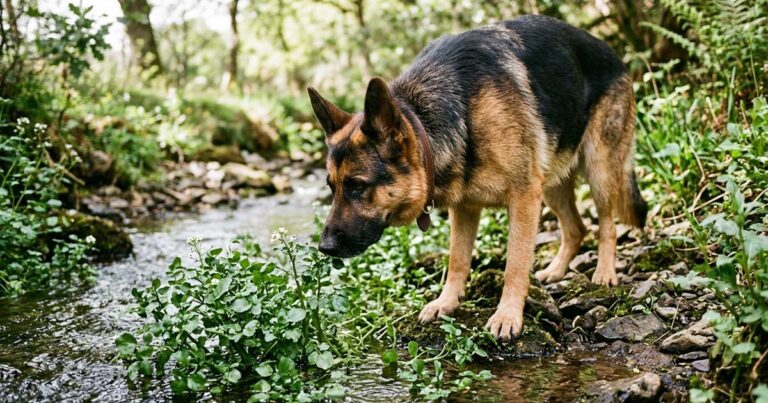
As pet parents, we’re always on the lookout for healthy, natural treats to give our furry friends. Watercress, a peppery green often used in salads and sandwiches, might seem like a great option. But can dogs eat watercress? Let’s dive in and find out.

Is Watercress Safe for Dogs?

The good news is, watercress is not toxic to dogs. It’s packed with vitamins and minerals that can be beneficial for your pooch. However, it’s crucial to introduce it in small amounts, as larger quantities can cause digestive upset.

Watercress contains isothiocyanates, which can irritate a dog’s stomach and cause symptoms like vomiting, diarrhea, and abdominal pain. So, while a small amount is generally safe, it’s essential to be cautious and monitor your dog after they’ve eaten it.

How Much Is Safe?

As a general guideline, a small piece or two of watercress as an occasional treat should be fine for most dogs. Remember, treats should make up no more than 10% of your dog’s daily caloric intake.

  • Start with a small amount and observe your dog for any signs of digestive upset.
  • Avoid giving watercress to puppies, senior dogs, or dogs with sensitive stomachs.
  • If you’re unsure, always consult with your vet before introducing a new food to your dog’s diet.

Frequently Asked Questions

Can I grow watercress at home for my dog?

Yes, growing watercress at home can be a great way to ensure it’s fresh and pesticide-free. However, remember that while it’s safe for dogs, it should still be given in moderation.

What about other greens? Can dogs eat spinach or kale?

Spinach and kale are also safe for dogs in small amounts. However, they contain oxalates, which can interfere with calcium absorption in large quantities. Again, moderation is key.

What should I do if my dog eats a large amount of watercress?

If your dog eats a large amount of watercress and starts showing signs of digestive upset, contact your vet immediately. They can provide guidance based on your dog’s size, breed, and overall health.

Can Dogs Drink Alcohol? Complete Guide

0

We’ve all seen those cute videos of dogs enjoying a sip of beer or champagne at a party. But don’t be fooled, folks! Alcohol is a big no-no for our furry friends. Let’s dive into why.

Why Alcohol is Toxic to Dogs

Alcohol affects dogs much differently than it does humans. While we can enjoy a drink or two, even a small amount of alcohol can cause serious harm or even death in our canine companions.

  • Dogs metabolize alcohol at a much slower rate than humans. This means the alcohol stays in their system longer, leading to more severe effects.
  • The smaller size of dogs makes them more susceptible to the toxic effects of alcohol. A small amount for us can be a lot for them.

How Much Is Safe?

The short answer is: none. Even the smallest amount of alcohol can cause serious health issues in dogs. But let’s talk specifics.

According to the ASPCA, as little as 2 oz of alcohol per pound of body weight can be fatal for dogs. So, if you have a 20-pound dog, that’s just 40 oz (about 5 shots of vodka) that could be deadly.

Even lower amounts can cause vomiting, diarrhea, lack of coordination, central nervous system depression, difficulty breathing, and even death.

What to Do If Your Dog Ingests Alcohol

If you suspect your dog has ingested alcohol, don’t wait, take action immediately. Call your vet or the ASPCA Animal Poison Control Center at (888) 426-4435.

Frequently Asked Questions

Is beer or wine more dangerous than liquor?

Yes, liquor is more dangerous because it has a higher alcohol content. However, any type of alcohol can be harmful to dogs.

Can dogs get drunk?

Yes, dogs can get drunk, and it’s a serious matter. Alcohol affects their brain and body in the same way it does humans, but with much more severe consequences.

What should I do if my dog accidentally ingests alcohol?

Don’t wait, take action immediately. Call your vet or the ASPCA Animal Poison Control Center at (888) 426-4435. They can provide guidance and help you determine the best course of action.

Remember, friends, alcohol and dogs don’t mix. Let’s keep our furry friends safe and stick to water for them. Cheers to responsible pet ownership!


Can Dogs Eat Almonds? Complete Guide

0

As pet parents, we often wonder if our furry friends can enjoy our favorite human snacks. Today, we’re diving into the world of almonds and finding out if it’s safe for our canine companions to indulge in these nutty treats.

Is it Safe for Dogs to Eat Almonds?

Unfortunately, the answer is no. Almonds are not safe for dogs to consume. While they might seem like a tasty and harmless treat, they pose several risks to our furry friends.

Why Are Almonds Dangerous for Dogs?

  • Choking Hazard: Almonds are small and hard, making them a choking hazard for dogs. They can also cause gastrointestinal blockages if swallowed whole.
  • Potential Cyanide Poisoning: While rare, some almonds, known as bitter almonds, contain cyanide. Ingesting these can lead to cyanide poisoning in dogs.
  • High Fat Content: Almonds are high in fat, which can cause pancreatitis in dogs if consumed in large quantities.

How Much Is Safe?

In short, none. Even small amounts of almonds can pose a risk to your dog’s health. It’s best to avoid giving them almonds altogether.

Frequently Asked Questions

Can dogs eat almond butter?

No, almond butter is also high in fat and can cause pancreatitis in dogs. It may also contain xylitol, a toxic ingredient for dogs.

What should I do if my dog ate almonds?

If your dog has ingested almonds, monitor them for signs of choking, vomiting, or lethargy. If symptoms persist or worsen, contact your veterinarian immediately.

Are there any dog-friendly nut alternatives?

Yes, some nuts are safer for dogs than others. Peanuts (in moderation and unsalted) and cashews are generally considered dog-safe. Always check with your vet before introducing new foods to your dog’s diet.