Home Blog Page 10

Can Dogs Drink Almond Milk? Complete Guide

0

Almond milk has become a popular dairy-free alternative in human diets, but can our furry friends partake in this nutty beverage? The short answer is yes, but with some important caveats.

Understanding Almond Milk for Dogs

Plain, unsweetened almond milk can be consumed by dogs in small amounts. It’s not toxic to them, unlike some other dairy alternatives. However, it’s crucial to understand that dogs don’t need almond milk in their diet, and it should not replace their regular meals or water intake.

  • Plain and Unsweetened: Stick to plain, unsweetened almond milk. The added sugars and flavorings in sweetened versions can cause digestive upset in dogs.
  • Avoid Xylitol: Never give your dog almond milk containing xylitol, a sugar alcohol used as a sweetener. Xylitol is highly toxic to dogs and can cause a dangerous drop in blood sugar, seizures, and even liver failure.

Always introduce new foods gradually to your dog’s diet to avoid any stomach upsets. If you notice any adverse reactions, such as vomiting, diarrhea, or decreased appetite, stop giving your dog almond milk and consult your vet.

How Much Is Safe?

Moderation is key when it comes to giving your dog almond milk. A small amount, around 1-2 tablespoons, mixed into their food or given as a treat is generally safe. However, every dog is unique, so it’s essential to observe their reaction and adjust accordingly.

Here’s a simple guide to help you decide how much almond milk is safe for your dog:

  • Small dogs (under 20 lbs): 1-2 tablespoons, 1-2 times a week
  • Medium dogs (20-50 lbs): 1-2 tablespoons, up to 3 times a week
  • Large dogs (over 50 lbs): 1-2 tablespoons, up to 5 times a week

Remember, these are just guidelines. Always consider your dog’s individual needs and consult with your vet if you’re unsure.

Frequently Asked Questions

Can Dogs Drink Almond Milk Every Day?

While small amounts of plain, unsweetened almond milk are generally safe, giving it to your dog every day is not recommended. Almond milk lacks essential nutrients that dogs need and can lead to nutritional imbalances if given too frequently. Stick to a treat or two a week.

What Should I Do if My Dog Accidentally Drank Sweetened Almond Milk?

Accidents happen, but if your dog ingests sweetened almond milk, especially if it contains xylitol, it’s a medical emergency. Contact your vet or the Pet Poison Helpline immediately. In the meantime, watch for symptoms such as vomiting, weakness, seizures, or collapse.

Can I Make Homemade Almond Milk for My Dog?

While it’s possible to make dog-friendly almond milk at home, it’s not necessary. Dogs don’t benefit from almond milk and can get all the nutrients they need from a balanced diet. If you do choose to make some, ensure it’s plain, unsweetened, and doesn’t contain any additives or flavorings that could be harmful to your dog.

Can Dogs Eat Alfalfa? Complete Guide

0

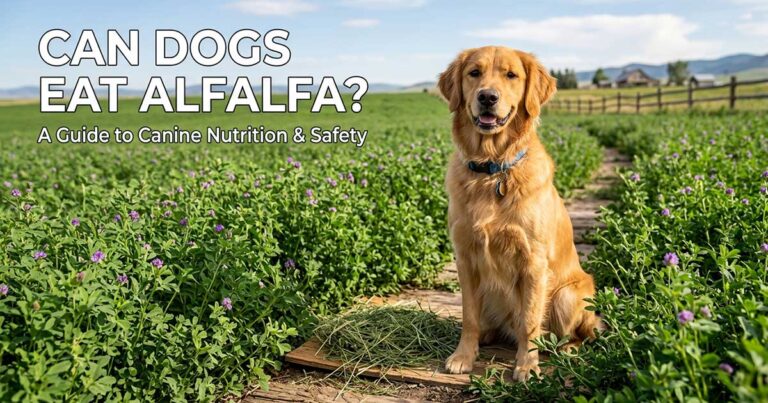
Hello, pup parents! Today, we’re diving into a common question we get here at PetFeeder: “Can dogs eat alfalfa?” The short answer is yes, but let’s explore the why, the how much, and bust some myths together. So grab a snack (for you, not your furry friend just yet) and let’s get started!

Benefits: Why Alfalfa is Pawsome for Dogs

Alfalfa, also known as lucerne, is a legume that’s packed with goodness for our canine companions. Here’s what makes it a superfood for dogs:

  • Vitamin Power: Alfalfa is rich in vitamins A, C, E, and K. These vitamins help support your dog’s immune system, skin health, and blood clotting.
  • Mineral Magic: This plant is also a great source of minerals like calcium, phosphorus, and magnesium. These minerals are essential for bone health, muscle function, and more.
  • Fiber Fuel: Alfalfa is high in fiber, which aids in digestion and helps keep your dog feeling full and satisfied.

How Much Is Safe?

While alfalfa is safe for dogs, it’s essential to introduce it gradually and in small amounts to avoid any tummy upset. Here’s a simple guide:

  • Start with tiny pieces or a small pinch of alfalfa, and monitor your dog for any signs of digestive issues.
  • If all goes well, gradually increase the amount to about 10% of your dog’s daily food intake.
  • Remember, moderation is key. Too much alfalfa can cause gas, bloating, or even blockages in smaller dogs or those with sensitive stomachs.

Always consult with your vet before making significant changes to your dog’s diet.

Frequently Asked Questions

1. Can dogs eat alfalfa hay?

Yes, alfalfa hay is a great source of fiber and can be a tasty treat or bedding for your dog. However, introduce it gradually and ensure it’s free from pesticides and other contaminants.

2. Is alfalfa toxic to dogs?

Alfalfa itself is not toxic to dogs. However, it can cause issues if fed in large amounts or to dogs with certain health conditions. Always consult your vet if you’re unsure.

3. Can puppies eat alfalfa?

It’s best to avoid giving alfalfa to puppies until they’re fully grown, as their digestive systems are still developing. Always consult your vet about the best foods for your puppy.


Can Dogs Eat Potato? Complete Guide

0

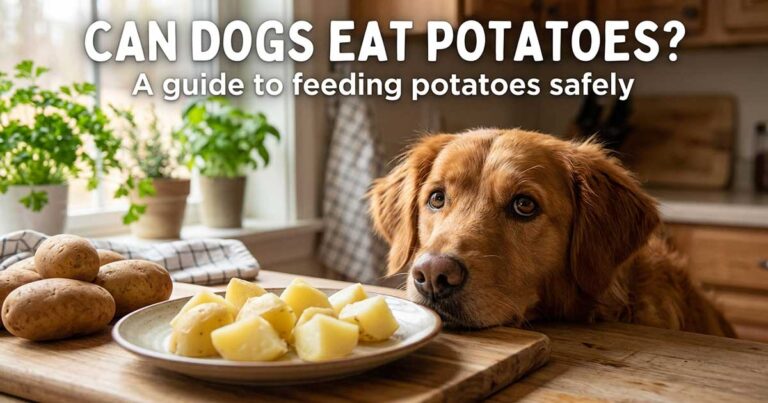
Hello, pet parents! Today, we’re diving into a common question we often receive here at PetsFeed: Can dogs eat potatoes? The short answer is yes, but there’s a catch. Let’s explore this starchy vegetable in detail to ensure you’re providing the best for your furry friend.

Potatoes: Safe in Moderation

Plain cooked potatoes, either boiled or baked, can be a safe treat for your dog. However, it’s crucial to remember that some parts of the potato and certain preparations are off-limits.

What to Avoid

  • Raw Potatoes: Raw spuds contain solanine, a toxic compound that can cause vomiting, diarrhea, and even Central Nervous System (CNS) depression in severe cases. Always ensure potatoes are thoroughly cooked.
  • Potato Skin: The skin of potatoes also contains higher levels of solanine and is best avoided. Plus, it can be tough and difficult for your dog to digest.
  • Fried Potatoes or Chips: These are high in fat, salt, and sometimes additives that can cause stomach upset or more severe issues like pancreatitis.
  • Mashed Potato with Butter/Milk: Dairy can cause upset tummies in many dogs due to lactose intolerance. Additionally, the high-fat content can lead to issues like obesity or pancreatitis.

How Much Is Safe?

Plain cooked potato flesh can be given to your dog in small amounts, occasionally. As a general rule, you can offer about one tablespoon of potato per 20-30 pounds of body weight, once or twice a week. Remember, potatoes should only make up a tiny part of your dog’s balanced diet.

Preparation Tips

  • Cut potatoes into small, manageable pieces to prevent choking.
  • Ensure potatoes are cooked thoroughly. Undercooked potatoes can still contain solanine.
  • Introduce potatoes slowly and watch for any signs of stomach upset, such as vomiting or diarrhea. If you notice any issues, stop feeding potatoes and consult your vet.

Frequently Asked Questions

Can dogs eat sweet potatoes?

Yes, sweet potatoes are generally safe for dogs in small amounts. They’re even considered a healthier option due to their higher vitamin and mineral content. However, they should still be given in moderation and cooked thoroughly.

Why are some potatoes green?

Potatoes turn green when exposed to light and produce solanine as a defense mechanism. These potatoes should be discarded to avoid the risk of toxicity.

What should I do if my dog eats a raw potato?

If you suspect your dog has eaten a raw potato, watch for symptoms of solanine toxicity such as vomiting, diarrhea, or weakness. If your dog shows any signs of illness, contact your vet immediately.

So there you have it, folks! While potatoes can be a tasty treat for your dog, it’s essential to exercise caution and ensure they’re fully cooked and prepared correctly. As always, if you’re unsure about any human food, it’s best to err on the side of caution and consult your vet. Until next time, happy feeding!


Can Dogs Eat Tomato? Complete Guide

0

Yes, dogs can eat fully ripe (that means mature, developed, and ready to eat) red tomato flesh. However, the green parts of the tomato — specifically the leaves and stems — contain solanine, a toxic substance. Solanine is a poisonous alkaloid that is found in several plants in the nightshade family, including tomatoes. The green parts of the tomato vine that develop into the leaves and stem have the potential to contain high levels of this toxic substance. The same applies to the unripe green tomato itself, which is not suitable for eating prior to ripening. In contrast, the ripe red tomato fruit that sits on the vine directly adjacent to the leaves and stems is safe for dogs to eat. So, the simple answer is: Ripe red tomato flesh is safe for dogs; the green leaves, stems, and unripe tomato are not.

How much of the tomato is safe for dogs to eat? Because the amount of solanine decreases during the ripening process, only the fully ripe red parts of the tomato are safe for dogs to eat. That includes the red tomato fruit itself and the parts of the plant that are directly adjacent to the leaves and stem. Avoiding any of the green parts — the leaves, stems, and unripe tomato — is crucial. To be clear: The fully matured and ripe red tomato fruit is what is safe for dogs to eat. The green parts of the tomato — including the leaves and stems — contain the toxic substance and are not suitable for dogs to eat at all.

Remember: The key is to focus on the fully matured and ripe red tomato fruit only. Avoid the green parts — leaves, stems, and unripe tomato — which are not suitable for eating.

For more detailed information, below are three frequently asked questions that relate to the safety of eating tomato leaves, stems, and unripe green tomatoes for dogs.

Can dogs eat the leaves and stems of tomatoes? What about unripe green tomatoes?

As mentioned earlier, the green parts of the tomato — specifically the leaves and stems — contain a substance called solanine, which is toxic to dogs. Furthermore, the unripe green tomato is not suitable for eating prior to ripening. The fully ripe red tomato fruit that sits directly adjacent to the leaves and stem is safe for dogs to eat. The difference between the fully ripe red tomato and the green parts of the tomato (leaves and stems) is significant. While the red tomato fruit is edible and safe for dogs, the green leaves and stems are not suitable for dogs to eat.

So, to answer the question directly: No, dogs cannot eat the leaves and stems of tomatoes, nor the unripe green tomato, at any time during the ripening process. Only the fully matured and ripe red tomato fruit is safe for dogs to eat. The green parts — leaves, stems, and unripe tomato — are not suitable for dogs to eat at any time.

Remember: Focus solely on the fully ripe red tomato fruit that sits on the vine directly adjacent to the leaves and stem. Avoid the green parts — leaves, stems, and unripe tomato — which are not suitable for dogs to eat.

Why are the leaves and stems of tomatoes considered to be toxic to dogs?

As mentioned earlier, the leaves and stems of tomatoes contain a substance called solanine, which is toxic to dogs. The reason for this is that the nightshade family of plants, which includes tomatoes, produces several alkaloids that have potential toxicity. Solanine is one of these substances. It exists in the green parts of the tomato plant, specifically the leaves and stems that grow on the vine along with the actual tomato fruit. The fully ripe red tomato fruit itself does not contain this toxin. The key to safe eating is to avoid the green parts of the tomato plant (leaves, stems, and unripe tomato) and consume only the ripe red tomato fruit that sits adjacent to those green parts.

Remember: The green leaves, stems, and unripe tomato contain solanine. Avoid eating these green parts and focus solely on the ripe red tomato fruit.

Every single part of the fully ripe red tomato fruit that sits on the vine directly adjacent to the leaves and stem is safe for dogs to eat. The green parts of the tomato — specifically the leaves and stems — contain solanine, which is toxic. Avoiding these green parts is essential. To summarize: The fully matured and ripe red tomato fruit is safe for dogs to eat; the green leaves, stems, and unripe tomato are not suitable for dogs to eat.

The key is to focus on the edible fully ripe red tomato fruit only. Avoid any of the green parts — the leaves, stems, and unripe tomato — which are not suitable for dogs to eat.

And that’s what dogs can eat when it comes to tomatoes. Remember to only eat the ripe red tomato flesh and avoid the green leaves, stems, and unripe tomato.

  • Enjoy your meal!
  • For more detailed information, the following FAQs provide additional explanations and details.
    • What is the difference between the red tomato fruit and the green leaves and stems in terms of potential toxicity?

      The fully ripe red tomato fruit is safe for dogs to eat. In contrast, the green leaves and stems contain a substance called solanine, which is toxic to dogs. The key difference is that the red tomato fruit does not contain any toxins, while the green leaves and stems contain the toxic substance solanine. The difference between the fully ripe red tomato and the green parts of the tomato is significant in terms of potential toxicity.

    • What is the main reason that the green leaves and stems of tomato are considered to be toxic to dogs?

      The main reason is that the green leaves and stems contain a substance called solanine, which is toxic to dogs. Solanine is a poisonous alkaloid that is found in several plants in the nightshade family, including tomatoes. The green parts of the tomato vine that develop into the leaves and stem have the potential to contain high levels of this toxic substance. The fully ripe red tomato fruit that sits on the vine directly adjacent to the leaves and stems does not contain any toxins and is safe for dogs to eat. The difference between the fully ripe red tomato and the green parts of the tomato is significant in terms of toxicity.

    • What is the difference between a ripe red tomato and an unripe green tomato in terms of edibility for dogs?

      The fully ripe red tomato is edible and safe for dogs to eat, while the unripe green tomato is not suitable for eating prior to ripening. The key difference is that the ripe red tomato fruit is safe for dogs to eat, while the green unripe tomato is not suitable for eating. The difference between the fully ripe red tomato and the green unripe tomato is significant in terms of edibility for dogs.

    • Why is the difference between the red tomato fruit and the green leaves and stems significant in terms of potential toxicity?

      The difference between the fully ripe red tomato fruit and the green leaves and stems is significant in terms of potential toxicity. The red tomato fruit that sits on the vine directly adjacent to the leaves and stem is safe for dogs to eat, while the green leaves and stems contain a substance called solanine, which is toxic to dogs. The difference between the fully ripe red tomato and the green parts of the tomato (leaves and stems) is significant in terms of potential toxicity.

      And that’s what dogs can eat when it comes to tomatoes. Remember to only eat the ripe red tomato flesh and avoid the green parts — the leaves, stems, and unripe tomato — which are not suitable for eating.

        • Enjoy your meal!
        • For more detailed information, the following FAQs provide additional explanations and details.
          • What is the difference between the red tomato fruit and the green leaves and stems in terms of potential toxicity? What about unripe green tomatoes?

            As mentioned earlier, the fully ripe red tomato fruit is safe for dogs to eat, while the green leaves and stems, as well as the unripe green tomato, are not suitable for eating prior to ripening. The difference between the fully ripe red tomato and the green parts of the tomato is significant in terms of potential toxicity. While the fully ripe red tomato fruit is edible for dogs, the green leaves, stems, and unripe green tomato are not suitable for eating at any time during the ripening process.

          • What is the main reason that the green leaves and stems of tomato are considered to be toxic to dogs?

            The main reason is that the green leaves and stems contain a substance called solanine, which is toxic to dogs. Solanine is a poisonous alkaloid that is found in several plants in the nightshade family, including tomatoes. The green parts of the tomato vine that develop into the leaves and stem have the potential to contain high levels of this toxic substance. The difference between the fully ripe red tomato and the green parts of the tomato is significant in terms of potential toxicity.

          • What is the difference between a ripe red tomato and an unripe green tomato in terms of edibility for dogs?

            The key difference is that the ripe red tomato is edible and safe for dogs to eat, while the unripe green tomato is not suitable for eating prior to ripening. The difference between the fully ripe red tomato and the green unripe tomato is significant in terms of edibility for dogs.

          • Why is the difference between the red tomato fruit and the green leaves and stems significant in terms of potential toxicity?

            The difference between the fully ripe red tomato fruit and the green leaves and stems is significant in terms of potential toxicity. The red tomato fruit that sits on the vine directly adjacent to the leaves and stem is safe for dogs to eat, while the green leaves and stems contain solanine, which is toxic to dogs. The difference between the fully ripe red tomato and the green parts of the tomato (leaves and stems) is significant in terms of potential toxicity.

            And that’s what dogs can eat when it comes to tomatoes. Remember to only eat the ripe red tomato flesh and avoid the green parts — the leaves, stems, and unripe tomato — which are not suitable for dogs to eat.

              • Enjoy your meal!
              • For more detailed information, the following FAQs provide additional explanations and details.
                • What is the difference between the red tomato fruit and the green leaves and stems in terms of potential toxicity? What about unripe green tomatoes?

                  As mentioned earlier, the fully ripe red tomato fruit is safe for dogs to eat, while the green leaves and stems, as well as the unripe green tomato, are not suitable for eating prior to ripening. The difference between the fully ripe red tomato and the green parts of the tomato is significant in terms of potential toxicity. While the fully ripe red tomato fruit is edible for dogs, the green

Can Dogs Eat Watermelon? Complete Guide

0

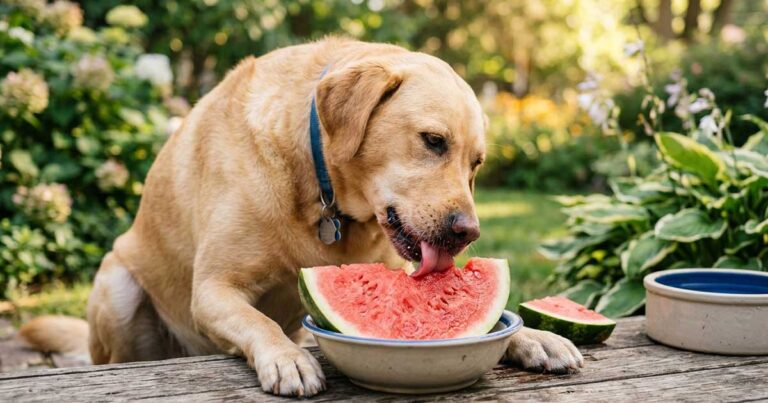
Good news for dog owners! Watermelon is indeed safe and even beneficial for your furry friends to consume. This juicy summer fruit is not only a tasty treat but also a great way to keep your dog hydrated. Let’s dive into the benefits, how to prepare it, and how much is safe for your dog.

Why Watermelon Is Good for Dogs

  • Hydration: With 92% water content, watermelon is an excellent way to keep your dog hydrated, especially during hot summer months.
  • Low Calorie: Watermelon is low in calories, making it a great snack option for dogs that need to watch their weight.
  • Vitamins: It’s packed with essential vitamins like A, B6, and C, which support your dog’s immune system and overall health.

What to Remove Before Serving

While the fruit flesh is safe for dogs, there are some parts you should remove before serving:

  • Seeds: All seeds should be removed as they can cause intestinal blockage if ingested in large amounts.
  • The Rind: The rind can cause digestive upset in some dogs, so it’s best to avoid giving it to them.

How to Serve Watermelon to Your Dog

Now that you know what to remove, it’s time to serve this refreshing treat to your dog:

  • Seedless Flesh Only: Cut the watermelon into small, seedless chunks to prevent choking hazards.
  • Frozen Treats: Freeze the watermelon chunks for a fantastic summer treat that can help cool your dog down.

How Much Is Safe?

Watermelon should be given in moderation as part of your dog’s balanced diet. A small to medium-sized dog can have a few chunks as an occasional treat, while larger dogs can have a few more. Always remember that treats should not make up more than 10% of your dog’s daily caloric intake.

Frequently Asked Questions

Can Dogs Eat the Green Part of the Watermelon?

No, the green part of the watermelon, also known as the rind, can cause digestive upset in some dogs. It’s best to stick to the pink flesh only.

Is Watermelon Safe for Puppies?

Yes, watermelon is safe for puppies as long as it’s given in small amounts and the seeds and rind are removed. Always introduce new foods gradually to monitor for any adverse reactions.

Can Dogs Eat Dried Watermelon?

It’s best to avoid giving your dog dried watermelon. The drying process can make the seeds and rind difficult to remove, posing a choking hazard or causing digestive upset. Stick to fresh, seedless watermelon flesh only.

Can Dogs Eat Wheatgrass? Complete Guide

0

Hello, fellow pet parents! Today, we’re tackling an interesting question: Can dogs eat wheatgrass? The short answer is yes, dogs can indeed enjoy this green superfood, and we’re here to tell you why it’s not only safe but also beneficial for your furry friends.

Why Wheatgrass is Great for Dogs

  • Digestive Support: Wheatgrass is packed with fiber, which can help promote healthy digestion in dogs. It can aid in preventing constipation and maintain a balanced gut microbiome.
  • Nutrients and Antioxidants: This little green powerhouse is rich in essential vitamins and minerals like iron, calcium, and vitamins A, C, and E. It also contains powerful antioxidants that can help boost your dog’s immune system.
  • Natural Instinct: Many dogs have an instinctual desire to eat grass. While the reason behind this behavior is still not fully understood, providing them with safe and nutritious options like wheatgrass can help satisfy this urge.

Now that you know why wheatgrass is great for dogs, you might be wondering…

How Much Is Safe?

When introducing new foods to your dog’s diet, it’s essential to do so gradually and in moderation. Start with small amounts, around 1 teaspoon per 10 pounds of body weight, and monitor your dog for any signs of digestive upset. If your dog tolerates it well, you can gradually increase the amount to about 1-2 tablespoons per day. Always consult with your vet before making significant changes to your dog’s diet.

Frequently Asked Questions

1. Can I grow wheatgrass at home for my dog?

Absolutely! Growing wheatgrass at home is easy and rewarding. You can use organic wheatberries and a shallow tray or pot with drainage holes. Keep the soil consistently moist, and you should see sprouts within a few days. Once the grass reaches about 6-8 inches tall, it’s ready for your dog (and you, too!).

2. Is there any wheatgrass my dog should avoid?

While most dogs can safely enjoy wheatgrass, it’s essential to ensure it’s organic and free from pesticides or other harmful chemicals. Additionally, avoid giving your dog any grass that has been treated with fertilizers or is growing in an area where your dog might be exposed to toxic substances like antifreeze or pesticides.

3. Can I give my dog wheatgrass juice?

While wheatgrass juice provides the same benefits as the grass itself, it’s best to introduce it to your dog gradually. Start with a small amount mixed with their food or water, and monitor their reaction. Some dogs may experience digestive upset when consuming large amounts of juice, so it’s essential to find the right balance for your furry friend.

And there you have it, pet parents! Wheatgrass is a fantastic addition to your dog’s diet, offering numerous benefits while satisfying their natural instincts. Always remember to introduce new foods gradually and consult with your vet if you have any concerns. Happy snacking, and until next time!


Can Dogs Eat Chickpeas? Complete Guide

0

Hello, fur parents! Today, we’re diving into the pantry to find out if our furry friends can indulge in a human favorite – chickpeas. Let’s see if this legume is a treat they can enjoy, and if so, how much and in what form. Remember, always consult with your vet before introducing new foods to your dog’s diet.

Can Dogs Eat Chickpeas?

Great news, chickpea lovers! Cooked plain chickpeas are not toxic to dogs. In fact, they’re packed with fiber, protein, and other essential nutrients. However, there’s a caveat we need to discuss.

Legume Warnings for Dogs

You might have heard about the link between high legume diets and canine heart disease. This concern applies to chickpeas too. While the exact cause isn’t clear, some studies suggest that certain compounds in legumes could interfere with dogs’ heart health over time.

  • To keep your dog safe, stick to a balanced diet planned by your vet.
  • Treat your dog with chickpeas sparingly, making sure they’re cooked and plain.
  • Monitor your dog for any unusual symptoms, like vomiting or lethargy, after trying chickpeas.

How Much Is Safe?

When offering chickpeas to your dog, remember the 10% rule: treats should make up no more than 10% of their daily caloric intake. Here’s a simple way to measure:

  • First, determine your dog’s daily caloric needs.
  • Then, set aside no more than 10% of that amount for treats.
  • For chickpeas, start with a pea-sized amount per 10 pounds of body weight, and gradually increase if your dog tolerates them well.

Chickpea Preparation for Dogs

Always serve chickpeas cooked and plain to your dog. Here’s how:

  • Rinse canned chickpeas thoroughly to remove excess sodium.
  • Cook dried chickpeas until tender, then rinse and drain them.
  • Avoid adding seasonings, as they can upset your dog’s stomach or even be toxic (like garlic and onion).

Frequently Asked Questions

1. Can dogs eat hummus made from chickpeas?

While hummus itself isn’t toxic, it often contains garlic and/or onion, which are harmful to dogs. Stick to plain, cooked chickpeas as a safer treat option.

2. What about other legumes, like lentils or beans?

As with chickpeas, cooked plain lentils and beans can be safe for dogs in small amounts. However, they share the same legume-heart disease concern, so moderation is key.

3. Can puppies eat chickpeas?

It’s best to avoid giving chickpeas to puppies due to their immature digestive systems. Stick to a balanced puppy food and consult your vet before introducing new foods.

And there you have it, fellow pet parents! While chickpeas can be a tasty treat for your dog, remember to serve them sparingly and always cooked and plain. If you have any more questions or concerns, don’t hesitate to ask your vet. Until next time, happy tails and waggy wags!


Can Dogs Eat Chia Seeds? Complete Guide

0

Wondering if chia seeds are safe for your furry friend? The short answer is yes, dogs can eat chia seeds! These tiny, nutritious seeds are packed with omega-3 fatty acids, fiber, and protein, making them a great addition to your dog’s diet. But before you start sprinkling them on your dog’s food, there are a few things you should know.

Benefits of Chia Seeds for Dogs

  • Omega-3 Fatty Acids: Chia seeds are rich in omega-3 fatty acids, which can help reduce inflammation, promote heart health, and support brain function in dogs.
  • Fiber: Chia seeds are high in both soluble and insoluble fiber, which can aid in digestion, prevent constipation, and promote a healthy gut microbiome.
  • Protein: While not as high in protein as some other seeds, chia seeds do provide a small amount of protein, which is essential for muscle development and maintenance in dogs.

How to Serve Chia Seeds to Your Dog

Before giving chia seeds to your dog, it’s important to soak them in water first. This helps to prevent them from swelling in your dog’s throat and makes them easier to digest. Here’s how to do it:

  1. Soak the chia seeds in water for at least 15 minutes, or until they form a gel-like consistency.
  2. Mix a small amount (start with 1/4 teaspoon per 10 pounds of body weight) into your dog’s food.
  3. Gradually increase the amount over time, as long as your dog tolerates them well.

How Much Is Safe?

The general guideline is to offer no more than 1 teaspoon of chia seeds per 10 pounds of body weight per day. However, it’s always a good idea to start with a smaller amount and gradually increase it to allow your dog’s digestive system to adjust. If you notice any signs of digestive upset, such as vomiting, diarrhea, or decreased appetite, reduce the amount or stop feeding chia seeds altogether.

Frequently Asked Questions

1. Can I give my dog chia seed oil instead of whole chia seeds?

While chia seed oil does contain the omega-3 fatty acids, it lacks the fiber and other beneficial nutrients found in whole chia seeds. It’s best to stick with the whole seeds when feeding chia to your dog.

2. Are there any dogs that shouldn’t eat chia seeds?

Yes, some dogs may not tolerate chia seeds well due to digestive issues or other health concerns. If your dog has a history of digestive problems, is prone to swallowing problems, or has a medical condition that requires a specific diet, consult with your veterinarian before introducing chia seeds.

3. Can I grow chia plants for my dog?

Growing chia plants can be a fun and rewarding experience, and the plants can provide a source of fresh chia seeds for your dog. However, ensure the plants are grown in a safe and organic environment, as some plants may contain harmful substances if grown in contaminated soil or treated with pesticides.

In conclusion, chia seeds can be a healthy addition to your dog’s diet, providing essential nutrients like omega-3 fatty acids, fiber, and protein. By introducing them gradually and following the guidelines outlined above, you can help promote your dog’s overall health and well-being. Always consult with your veterinarian before making significant changes to your dog’s diet.


Can Dogs Eat White Rice? Complete Guide

0

Verdict: Yes, plain cooked white rice can be a great addition to your dog’s diet, especially when they’re experiencing digestive issues.

Benefits of White Rice for Dogs

White rice might not be the most nutritious food for dogs, but it certainly has its benefits:

  • Easily digestible: White rice is highly digestible, making it an excellent choice for dogs with sensitive stomachs or digestive issues.
  • Helps with diarrhea: Due to its binding properties, white rice can help firm up your dog’s stools and ease diarrhea.
  • Bland diet staple: Plain white rice is often used as a staple in bland diets for dogs recovering from illnesses or surgeries.

Remember, it’s always best to introduce new foods gradually and in small amounts to avoid upsetting your dog’s stomach.

How to Serve White Rice to Your Dog

When serving white rice to your dog, ensure it’s cooked plain, without any seasoning or additives. Mix it with their regular dog food or serve it as a treat. Here’s a simple way to prepare it:

  • Rinse 1/2 cup of white rice to remove excess starch.
  • Add 1 cup of water and bring to a boil.
  • Reduce heat, cover, and let it simmer for about 15-20 minutes.
  • Let it cool before serving it to your dog.

How Much Is Safe?

White rice should be given in moderation as part of your dog’s balanced diet. A good starting point is mixing 1/4 to 1/2 cup of cooked white rice with your dog’s regular meal, depending on their size and activity level. Always consult with your vet for personalized advice.

Frequently Asked Questions

1. Can dogs eat brown rice?

Yes, brown rice is also safe for dogs and can provide more nutrients than white rice due to its higher fiber and protein content. However, it may not be as easily digestible, so it’s still important to introduce it gradually.

2. Can dogs eat cooked rice from Chinese food?

It’s best to avoid giving your dog cooked rice from Chinese food or other takeout meals. These often contain seasonings, sauces, or other ingredients that could be harmful or upsetting to your dog’s stomach.

3. What should I do if my dog eats too much rice?

If your dog eats too much rice, they may experience stomach upset, including vomiting or diarrhea. If symptoms persist or you notice any other concerning signs, contact your vet immediately.


Can Dogs Eat Xylitol? Complete Guide

0

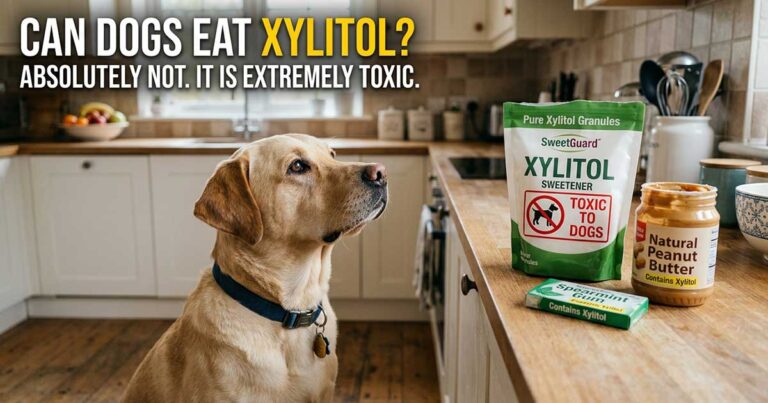
Hello, fur parents! Today, we’re diving into a crucial topic that could save your furry friend’s life. We’re talking about xylitol, a dangerous substance for dogs that’s hiding in plain sight in many of our homes.

Why Xylitol is Off-Limits for Dogs

Xylitol is a sugar alcohol used as a sweetener in many human foods and products. It’s safe for us, but for dogs, even tiny amounts can be deadly. Here’s why:

  • Rapid Insulin Release: When dogs consume xylitol, their body responds by releasing a huge amount of insulin. This leads to a dangerous drop in blood sugar, a condition known as hypoglycemia.
  • Liver Failure: Xylitol also causes liver failure in dogs. Unlike humans, dogs lack the necessary enzyme to safely metabolize xylitol, leading to liver toxicity.

So, if your dog has ingested anything containing xylitol, it’s an emergency. Call your emergency vet immediately!

Common Sources of Xylitol

Xylitol is sneaky and can be found in many places around your home. Here are some common sources to keep away from your dog:

  • Sugar-free gum and candy
  • Some peanut butters (always check the label)
  • Baked goods and desserts (especially homemade)
  • Toothpaste and mouthwash
  • Vitamins and supplements

Even products labeled “dog-friendly” or “natural” can contain xylitol, so always double-check the ingredients.

Symptoms to Watch Out For

If your dog has ingested xylitol, symptoms can appear within 30-60 minutes and may include:

  • Vomiting
  • Weakness or lethargy
  • Collapse
  • Seizures

If you notice any of these signs, or if you suspect your dog has eaten something containing xylitol, don’t wait – get in touch with your vet right away.

How Much Is Safe?

There’s no safe amount of xylitol for dogs. Even a small piece of sugar-free gum containing a tiny amount of xylitol can be toxic. To keep your furry friend safe, stick to dog-friendly treats and always check ingredients before sharing.

Frequently Asked Questions

Q: What should I do if my dog ate xylitol?

A: Call your emergency vet immediately. They may induce vomiting if it’s safe to do so, but don’t try this at home – you could cause more harm than good.

Q: Can cats eat xylitol too?

A: Yes, xylitol is toxic to cats as well. While it’s less common for cats to ingest it, if you suspect your cat has eaten something containing xylitol, contact your vet right away.

Q: What should I do with products containing xylitol?

A: Keep them out of reach of your pets. Store them in cabinets or drawers that your pets can’t access. It’s also a good idea to keep a list of products containing xylitol, so you can reference it if needed.

Stay informed, stay safe, and most importantly, keep your furry friends safe! Until next time, happy tails!