Home Blog

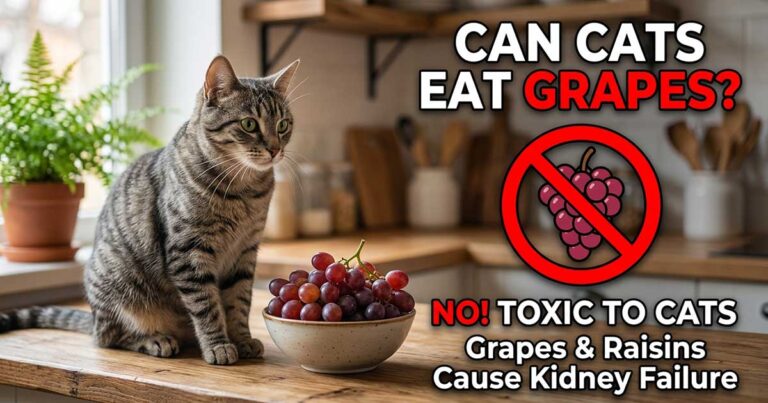
Can Cats Eat Grapes? Complete Guide

0

Hello, pet parents! Today, we’re diving into a crucial topic that could save your feline friend’s life – can cats eat grapes? The short answer is a resounding no, and here’s why.

Why Grapes Are Dangerous for Cats

Grapes and raisins are silently deadly for our feline friends. They contain an unknown toxic compound that can lead to kidney failure in cats. Even small amounts can be harmful, and the risk is the same for all breeds and ages.

  • Kidney Failure Risk: Consuming grapes can cause acute kidney failure in cats. This is a life-threatening condition where the kidneys suddenly stop working, leading to a build-up of toxins in the body.
  • Toxic Compound Unknown: Despite extensive research, the exact toxic agent in grapes that affects cats remains unknown. This makes it even more challenging to prevent or treat the poisoning.
  • All Grape Products Are Dangerous: Whether they’re fresh, dried (raisins), or even in trail mix, all grape products pose the same risk to your cat. Even grape-flavored items should be kept out of reach.

What to Do If Your Cat Ate Grapes

If you suspect your cat has ingested grapes, act fast! Contact your vet immediately or, if after-hours, seek emergency veterinary care. The sooner you act, the better the chances of a positive outcome.

How Much Is Safe?

There’s no safe amount of grapes for cats. Even a small, seemingly insignificant number can cause severe health issues. Therefore, it’s best to keep grapes and raisins well out of your cat’s reach at all times.

Frequently Asked Questions

Q: Can some cats eat grapes without getting sick?

A: While some cats may seem tolerant to grapes, it’s purely a gamble with their health. The toxic compound affects cats inconsistently, making it impossible to predict which cats will be affected and which won’t.

Q: What are the symptoms of grape poisoning in cats?

A: Symptoms may not appear immediately but can show up within a few hours to a few days after ingestion. They include vomiting, diarrhea, lethargy, weakness, and decreased urine output or no urine production at all. If you notice any of these signs, consult your vet right away.

Q: Are other fruits safe for cats?

A: Not all fruits are safe for cats. While some, like bananas and blueberries, are generally considered safe in small amounts, others, like cherries and avocados, can be toxic. Always do your research before sharing any human food with your cat.

Stay informed and keep your kitty safe! Until next time, purrs and paws up from us at PetsFeed.co!
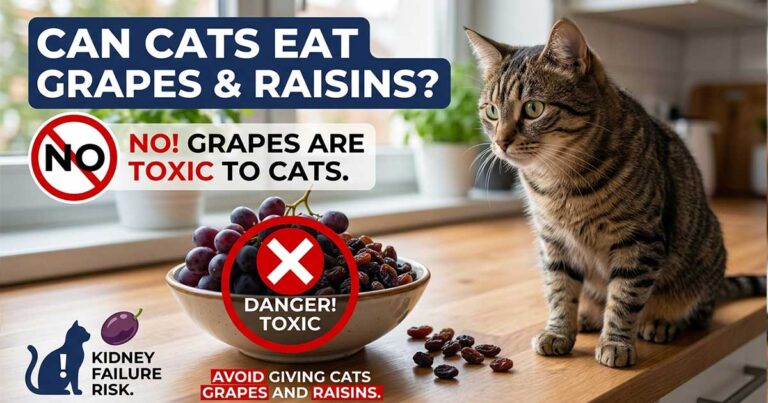
Can Cats Eat Grapes Raisins? Complete Guide

0

Hello, pet parents! Today, we’re diving into a question that might be on your mind: Can cats eat grapes or raisins? Unfortunately, the short answer is no, and we’re here to explain why.

Why Grapes and Raisins Are Off-Limits

Grapes and raisins might be a tasty treat for us, but they’re toxic to our feline friends. Even small amounts can cause serious health issues in cats. Here’s what you need to know:

  • Toxicity: Both grapes and raisins are toxic to cats. Raisins are just dried grapes, so they pose the same risk.
  • Kidney Failure: The exact toxin in grapes and raisins that affects cats is still unknown. However, it can cause kidney failure, which can be life-threatening.
  • No Safe Amount: There’s no known safe amount of grapes or raisins for cats to consume. Even a small number can cause problems.

What to Do If Your Cat Eats Grapes or Raisins

If you suspect your cat has eaten grapes or raisins, even accidentally, it’s crucial to contact your veterinarian immediately. Your vet may induce vomiting, depending on how recently your cat ate them, and monitor your cat’s kidney function.

How Much Is Safe?

To keep your cat safe, it’s best to avoid grapes and raisins altogether. There’s no known safe amount, so it’s not worth the risk. Stick to cat-safe fruits and vegetables, like bananas or blueberries, and always introduce new foods gradually and in small amounts.

Frequently Asked Questions

Can cats eat grape juice?

No, grape juice is also off-limits to cats due to its grape content. It poses the same risk of toxicity.

What about other dried fruits?

While raisins are the most concerning, other dried fruits like apricots or cranberries should also be avoided due to their high sugar content, which can cause stomach upset in cats.

Are seeds dangerous?

While cat-safe fruits can be given without their seeds, the seeds shouldn’t be a major concern unless your cat ingests a large number. However, it’s always best to remove seeds before giving fruits to your cat.

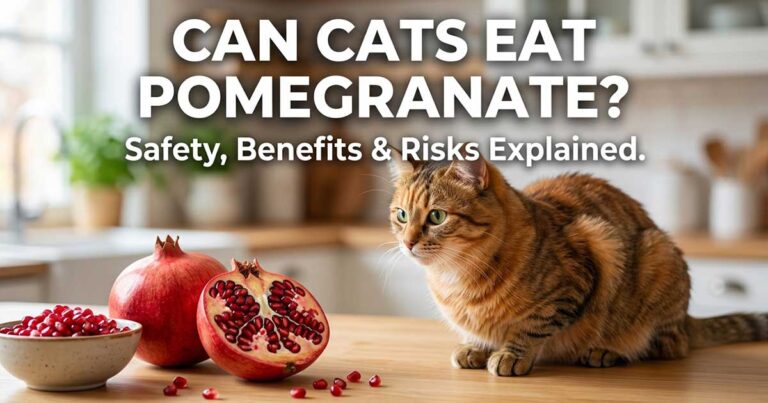
Can Cats Eat Pomegranate? Complete Guide

0

Hello, fellow cat parents! Today, we’re diving into the pantry to explore a question that’s been keeping you up at night: can our feline friends indulge in the tangy, juicy delight that is pomegranate? Unfortunately, the answer is a resounding ‘no’.

Why Pomegranate Isn’t Safe for Cats

While pomegranates are packed with antioxidants and vitamins for us humans, they’re not so great for our whiskered companions. Here’s why:

  • Gastrointestinal Upset: Cats lack the enzyme necessary to metabolize certain sugars found in pomegranates. This can lead to stomach upset, vomiting, and diarrhea.
  • Seeds: Pomegranates are full of tiny seeds that can pose a choking hazard or cause intestinal blockages if ingested.
  • Skin Irritation: The juicy bits of pomegranate can stain and potentially irritate a cat’s skin and fur.

How Much Is Safe?

In a word, none. Even the tiniest bit of pomegranate can cause digestive issues for your cat. It’s best to avoid it altogether.

What If My Cat Ate Pomegranate?

If you suspect your cat has ingested pomegranate, keep an eye out for signs of illness such as vomiting, diarrhea, or loss of appetite. If you notice any of these symptoms, contact your vet immediately.

Frequently Asked Questions

Can I give my cat pomegranate juice?

No, just like the whole fruit, pomegranate juice isn’t suitable for cats. It contains the same sugars that can cause digestive problems.

What about other fruits? Can my cat have those?

While some fruits are safe for cats in moderation, others aren’t. Always check before offering any new food to your cat.

Can I feed my cat a pomegranate-based treat meant for humans?

It’s best to avoid human treats with your cat. They often contain ingredients that are harmful to cats, like chocolate or raisins. Stick to cat-safe treats and foods.


Can Cats Eat Popcorn? Complete Guide

0

Cats are curious creatures, and it’s only natural that we want to share our favorite snacks with them. But when it comes to popcorn, should we hit the pause button? Let’s dive into the bowl and find out!

Plain Popcorn: The Verdict

Here’s the good news: plain, air-popped popcorn is generally safe for cats. It’s low in fat and calories, making it a rare treat they can enjoy. However, it’s essential to remember that popcorn is not a natural part of a cat’s diet and offers no nutritional benefits.

Key Takeaway: Plain popcorn? Sure, why not. But keep it plain, no salt, no butter, no flavoring – cats don’t need the extra seasoning!

Flavored Popcorn: A Word of Caution

Now, let’s talk about flavored popcorn. The problem lies not in the popcorn itself, but in the added ingredients. Cats should avoid:

  • Salt: Too much can lead to sodium ion poisoning, causing symptoms like vomiting, diarrhea, tremors, and seizures.
  • Butter and other fat-based toppings: High in fat, these can cause vomiting, diarrhea, and even more serious issues like pancreatitis.
  • Flavorings: Many seasonings and spices are toxic to cats, including garlic, onion, and chives. Artificial sweeteners like xylitol are also harmful.

So, stick to the plain stuff, and even then, keep it rare.

How Much Is Safe?

While plain popcorn in moderation is unlikely to harm your cat, it’s still not a regular part of their diet. Think of it as a very occasional treat – a kernel or two, maybe once a month. Remember, cats need a balanced diet, and excessive treats can lead to obesity and other health issues.

Frequently Asked Questions

Q: Can popcorn kernels hurt my cat?

A: Yes, unpopped or partially popped kernels can pose a choking hazard or cause intestinal blockages if swallowed. Always ensure popcorn is fully popped and cooled before giving it to your cat.

Q: What if my cat ate popcorn with salt or butter?

A: If your cat has ingested a small amount of salt or butter, they should be fine. However, if they show signs of illness or you’re concerned, contact your vet. For large quantities, immediate veterinary attention is crucial.

Q: Can I give my cat microwave popcorn?

A: It’s best to avoid microwave popcorn due to the high salt and fat content, as well as potential toxic seasonings. Plus, the bags often contain chemicals like perfluorooctanoic acid (PFOA), which can be harmful if ingested.

So, there you have it! Plain popcorn in moderation won’t hurt your feline friend, but let’s keep the movie nights just for us, okay? After all, we don’t want to turn our precious kitties into popcorn addicts!

Can Cats Eat Yogurt? Complete Guide

0

Hello, fellow pet parents! Today, we’re diving into the creamy world of yogurt and exploring the age-old question: can our feline friends indulge in this tangy treat? The short answer is yes, but hold onto your whiskers because there’s more to consider than you might think.

Yay or Nay? The Verdict on Yogurt for Cats

The verdict is: with caution. Plain, unsweetened yogurt is generally safe for most cats in small amounts. In fact, it can even provide some health benefits thanks to its probiotic powers. However, before you go spooning up yogurt like it’s catnip, there are a few important caveats to keep in mind.

  • Lactose Intolerance: Many cats are lactose intolerant, which means they have difficulty digesting dairy products. While some cats may be able to enjoy a little yogurt without any issues, others might experience stomach upset, gas, or diarrhea.
  • Avoid Flavored and Sweetened Yogurt: Stick to plain, unsweetened yogurt. Flavored and sweetened varieties often contain ingredients that can be harmful to cats, such as artificial sweeteners, high fructose corn syrup, or excess sugar.
  • Probiotics: The beneficial bacteria in yogurt can help support a healthy gut in cats. This can be particularly useful if your cat is taking antibiotics, which can disrupt their natural gut flora.

How Much Is Safe?

When it comes to feeding yogurt to your cat, less is definitely more. Start with a pea-sized amount once or twice a week and monitor your cat’s reaction. If they tolerate it well, you can gradually increase the amount to a teaspoon or so per day. However, always remember that yogurt should be considered an occasional treat rather than a regular part of your cat’s diet.

Frequently Asked Questions

1. Can kittens eat yogurt?

It’s best to wait until your kitten is at least 6 months old before introducing any dairy products, including yogurt. This gives their digestive system time to mature and better handle lactose.

2. What if my cat loves yogurt but seems lactose intolerant?

If your cat seems to enjoy yogurt but shows signs of lactose intolerance, you might want to try giving them plain, unsweetened, non-dairy yogurt alternatives made from coconut, almond, or soy milk. These are typically easier to digest for lactose-intolerant cats.

3. Can I give my cat yogurt every day?

While it might be tempting to share your yogurt with your cat daily, it’s not recommended. Yogurt is high in fat and sugar, which can contribute to weight gain and other health issues if consumed in excess. Stick to treating your cat with yogurt once or twice a week at most.

And there you have it, folks! The scoop on yogurt and our feline friends. Always remember that every cat is unique, so it’s essential to pay close attention to their reaction when trying any new food. If you have any concerns about your cat’s diet or health, don’t hesitate to consult your veterinarian.

Until next time, happy tail-wagging and purr-fect parenting!


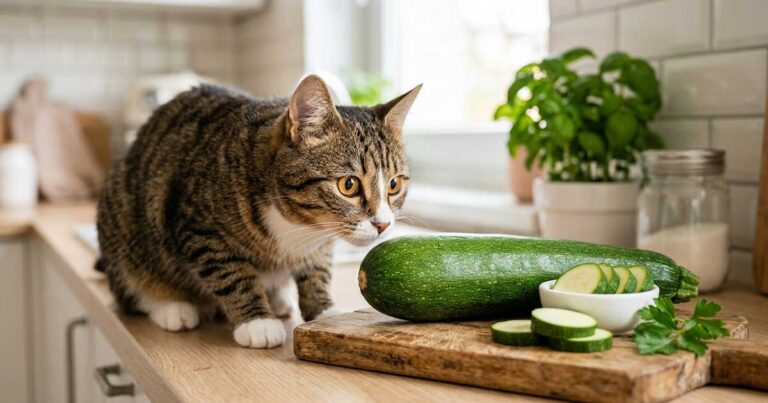
Can Cats Eat Zucchini? Complete Guide

0

Hello, fellow pet parents! Today, we’re diving into the fascinating world of feline nutrition to explore a common question: can cats eat zucchini?

Verdict: Yes, But…

The short answer is yes, cats can eat zucchini. It’s not harmful to them, but here’s the catch: most cats simply won’t be interested. Cats are obligate carnivores, which means their diet should primarily consist of meat. They’re not particularly drawn to vegetables like we humans are.

Why Zucchini Is Safe for Cats

  • Zucchini is low in phosphorus and magnesium, which is great because high levels of these can lead to health issues in cats.
  • It’s also low in calories, making it a good option if your cat needs to watch their weight.
  • Plus, it’s high in water and fiber, which can help keep your cat hydrated and their digestive system healthy.

How Much Is Safe?

While zucchini is safe for cats, it’s important not to overdo it. Remember, cats aren’t designed to eat a lot of vegetables. Here’s a simple rule of thumb:

  • Introduce zucchini gradually, starting with small amounts mixed in with their regular food.
  • No more than 1-2% of your cat’s daily diet should consist of zucchini. So, if your cat eats a 1/2 cup of food a day, that’s about 1-2 tablespoons of zucchini.

Cooked or Raw? It’s Up to You

You can offer your cat zucchini either cooked or raw. Some cats might prefer it cooked, while others might enjoy it raw. Just make sure to cut it into small, cat-bite sized pieces to prevent choking.

Frequently Asked Questions

1. Can kittens eat zucchini?

Kittens can eat zucchini, but they should be introduced to it gradually and in small amounts, just like adult cats. Always consult with your vet before introducing new foods to your kitten.

2. What if my cat eats too much zucchini?

If your cat eats too much zucchini, they might experience some digestive upset like vomiting or diarrhea. If these symptoms persist or you notice other concerning signs, contact your vet.

3. Can cats eat other squash?

Yes, cats can eat other squash like pumpkin and butternut squash. The same rules apply: they should be introduced gradually, cooked, and given in small amounts.

And that’s a wrap on cats and zucchini! Remember, every cat is unique, so it’s always a good idea to monitor your cat’s reaction to new foods. If you have any concerns, your vet is always the best source of information.

Until next time, happy feeding!


Can Rabbits Eat Mango Skin? Complete Guide

0

Hello, fluffy friends! We know how much you love to treat your bunnies, and so do we. Today, we’re diving into a question that’s been hopping around the pet world: can rabbits eat mango skin?

Verdict: No, mango skin is not suitable for rabbits.

Why Mango Skin Is a No-No for Rabbits

While mango flesh can be a tasty treat for your furry friend (in moderation, of course), the skin is a whole different story. Here’s why:

  • Hard to Digest: Mango skin is tough and fibrous, making it difficult for your rabbit’s sensitive digestive system to process.
  • High Fiber: While fiber is generally good for rabbits, the type of fiber in mango skin can cause stomach upset or even blockages.
  • Potential Allergies: Some rabbits may have allergic reactions to mango skin, leading to symptoms like itching, hair loss, or even difficulty breathing.

So, if you do decide to treat your rabbit to some mango, make sure to remove the skin first. It’s the flesh they’re after, not the furry exterior!

How Much Is Safe?

Even without the skin, mango should still be given in moderation. A small piece, about the size of your rabbit’s chin, once or twice a week is plenty. Remember, variety is key in a rabbit’s diet, so mix it up with other safe fruits and vegetables.

Always introduce new foods gradually to avoid upsetting your rabbit’s tummy. Start with small amounts and watch for any signs of digestive upset.

Frequently Asked Questions

Q: Can my rabbit eat mango pits?

A: No, mango pits are a definite no-no for rabbits. They’re hard to digest and can cause choking or intestinal blockages. Plus, they contain trace amounts of toxic cyanide compounds.

Q: What fruits can rabbits eat?

A: Rabbits can enjoy a variety of fruits, but they should always be given in moderation. Some safe fruit options include apples (without seeds), bananas, blueberries, and strawberries. Always do your research or consult with a vet before introducing new foods.

Q: Can rabbits eat mango leaves?

A: While mango leaves aren’t toxic to rabbits, they’re not particularly nutritious either. Stick to the flesh of the mango and provide a balanced diet of hay, pellets, and safe vegetables and fruits.

And there you have it, folks! Mango skin is a no-go for our beloved bunnies, but with a little care, they can still enjoy the sweet, juicy flesh. Always remember to do your research and consult with a vet if you’re unsure about any food. Happy hopping!

Can Rabbits Eat Melon? Complete Guide

0

Hello, pet parents! Today, we’re diving into the delightful world of rabbit treats and exploring the question: Can rabbits eat melon? The short answer is yes, but as always, there are some factors to consider. Let’s get started!

Why Melon is a Great Treat for Rabbits

Melons, with their high water content and natural sweetness, can be a refreshing and enjoyable treat for your fluffy friend. They provide excellent hydration, which is crucial for rabbits, especially during hot summer months. Additionally, melons are low in fat and high in fiber, making them an excellent choice for a rabbit’s diet.

However, it’s essential to remember that melons are also high in sugar, so they should be offered in moderation. The key to a healthy rabbit is a balanced diet rich in hay, with occasional treats like melon making up just a small portion of their daily intake.

Preparing Melon for Your Rabbit

When introducing melon to your rabbit’s diet, make sure to follow these simple steps:

  • Choose ripe, fresh melon with no signs of mold or bruising.
  • Wash the melon thoroughly to remove any bacteria or pesticide residue.
  • Cut the melon into small, bite-sized cubes. Ensure the pieces are small enough to prevent choking.
  • Remove all seeds and the tough, fibrous rind. These parts can be difficult for rabbits to digest and may cause stomach upset.

How Much Is Safe?

Rabbits can enjoy melon as an occasional treat, but it’s crucial to limit their intake due to the high sugar content. A general guideline is to offer a few small cubes of melon per week. Remember, treats should make up no more than 10% of your rabbit’s daily caloric intake, with the majority of their diet consisting of high-quality hay and fresh vegetables.

Always monitor your rabbit after introducing a new treat to ensure they tolerate it well. If you notice any signs of stomach upset, such as decreased appetite, lethargy, or changes in bathroom habits, contact your vet immediately.

Frequently Asked Questions

Can rabbits eat melon rind?

No, rabbits should not eat melon rind. The tough, fibrous rind can be difficult for rabbits to digest and may cause stomach upset. Stick to the fleshy part of the melon when treating your rabbit.

What types of melon can rabbits eat?

Rabbits can enjoy various types of melon, including watermelon, cantaloupe, honeydew, and even some varieties of muskmelon. Always ensure you remove the seeds and rind before offering these treats to your rabbit.

Can baby rabbits eat melon?

It’s best to introduce new foods, like melon, to baby rabbits with caution. Ensure they are at least 12 weeks old and have a solid understanding of solid foods before offering small amounts of melon as an occasional treat. Always monitor their reaction to new foods and consult your vet if you have concerns.

And there you have it, pet parents! Melon can be a delicious and nutritious treat for your rabbit, providing essential hydration and variety in their diet. Always remember to offer treats in moderation and monitor your rabbit’s reaction to new foods. Happy snacking!

Can Rabbits Drink Milk? Complete Guide

0

As pet parents, we often wonder what human foods are safe for our furry friends. When it comes to milk, the answer might not be what you expect. Rabbits, despite their cute and cuddly nature, are not little humans and their digestive systems are vastly different from ours.

Why Milk is a No-No for Rabbits

Rabbits are herbivores, which means their diet primarily consists of plant-based foods. In the wild, they would rarely, if ever, come across dairy products. Their digestive systems are not equipped to handle dairy due to a lack of the enzyme lactase, which is necessary to break down lactose, a sugar found in milk.

Feeding milk or any dairy product to rabbits can lead to serious digestive problems. It can cause an upset stomach, bloating, gas, and even life-threatening conditions like enterotoxemia or gastrointestinal stasis. These conditions can lead to a bacterial imbalance in their gut, making them extremely ill.

Never Feed: A List of Dairy Products to Avoid

  • Milk
  • Cheese
  • Yogurt
  • Cream
  • Ice cream
  • Butter
  • Any dairy-based product

Even a small amount of dairy can be harmful to rabbits. Always remember, when it comes to dairy, less is not more for rabbits – it’s simply not safe.

How Much Is Safe? The Answer is Zero

You might be thinking, “But what if I only give a little bit?” The answer is still no. Rabbits cannot tolerate any amount of dairy. Even a small sip of milk or a tiny piece of cheese can cause digestive upset. So, it’s best to avoid dairy altogether.

Frequently Asked Questions

Can Baby Rabbits Have Milk?

No, even baby rabbits (kits) should not be given cow’s milk. They rely on their mother’s milk for the first few weeks of life, but if they need to be bottle-fed, a special rabbit milk replacement formula should be used.

What Can I Feed My Rabbit Instead?

Rabbits should have a diet consisting of 80-90% good quality grass hay, 5-10% fresh vegetables, and 2-5% pellets. Fresh water should always be available. There are many safe vegetables and fruits that rabbits can eat, but always introduce new foods gradually to avoid digestive upset.

What Should I Do If My Rabbit Accidentally Ate Dairy?

If you suspect your rabbit has ingested dairy, monitor them closely for any signs of digestive upset such as decreased appetite, lethargy, decreased bowel movements, or abnormal behavior. If you notice any of these signs, contact your vet immediately. It’s always better to err on the side of caution when it comes to our pets’ health.

Remember, our pets rely on us to provide them with safe and healthy food. By understanding their unique dietary needs, we can ensure they live happy, healthy lives. So, while it might be tempting to share your ice cream with your fluffy friend, it’s best to stick to rabbit-safe foods.


Can Rabbits Eat Millet? Complete Guide

0

As a pet parent, you might be wondering if millet, that humble cereal grain, is safe for your fluffy friend. The good news is, yes, rabbits can eat millet!

Why Millet is Good for Rabbits

Millet is a natural food for rabbits, often found in their wild diet. It’s packed with essential nutrients like fiber, protein, and minerals, making it a great seed treat for your bunny. Here are some benefits of millet for rabbits:

  • High in fiber, which aids in digestion and keeps their teeth healthy.
  • Low in fat, making it a suitable treat for rabbits that need to watch their weight.
  • Rich in protein, which is crucial for the growth and maintenance of your rabbit’s body.

How to Serve Millet to Your Rabbit

While millet is safe and beneficial for rabbits, it’s important to feed it in moderation. Here’s how you can serve millet to your rabbit:

  • Offer millet as an occasional treat, not a replacement for their regular diet.
  • Ensure the millet is thoroughly cleaned and dried to prevent mold growth.
  • Feed small amounts at a time, starting with just a few seeds to monitor your rabbit’s reaction.

How Much Millet is Safe for Rabbits?

The serving size of millet for rabbits depends on their size and appetite. A good rule of thumb is to offer no more than 1-2 teaspoons of millet per 2 pounds of body weight, once or twice a week. Always introduce new foods gradually to avoid digestive upset.

Frequently Asked Questions

1. Can rabbits eat millet every day?

No, millet should be given as an occasional treat, not a daily part of their diet. Rabbits need a balanced diet consisting of 80-90% hay, 5-10% pellets, and 5-10% fresh vegetables and fruits.

2. What happens if my rabbit eats too much millet?

Eating too much millet can lead to digestive upset, such as gas, bloating, or diarrhea. In severe cases, it can cause liver damage or even death. Always introduce new foods gradually and monitor your rabbit for any signs of distress.

3. Can baby rabbits eat millet?

No, baby rabbits (kittens) should not be given millet until they are at least 12 weeks old. Before that, they should only be fed a diet of their mother’s milk and eventually, high-quality rabbit pellets. Introduce millet gradually once they reach 12 weeks of age.