Home Blog Page 3

Can Rabbits Eat Strawberry? Complete Guide

0

Hello, bunny parents! Today, we’re diving into the tasty world of strawberries and finding out if our fluffy friends can enjoy them too. The short answer is yes, but let’s explore this fruity treat in more detail.

Are Strawberries Safe for Rabbits?

Good news! Strawberries are safe for rabbits to eat in small amounts. They’re a great source of vitamins C and B6, folate, and fiber. However, they’re also high in sugar, so it’s essential to serve them as an occasional treat rather than a regular part of their diet.

How Much Is Safe?

When it comes to feeding strawberries to your rabbit, less is more. Here’s a simple guide:

  • One or two small strawberries a week is a safe maximum.
  • Make sure to remove any uneaten fruit within 24 hours to prevent spoilage and mold growth.
  • Introduce strawberries gradually and monitor your rabbit for any signs of digestive upset.

Strawberry Leaves and Stems: Can Rabbits Eat Them Too?

Yes, your rabbit can safely consume strawberry leaves and stems! In fact, they’re quite beneficial as they provide an excellent source of fiber. Just ensure they’re clean and free from any pesticides or chemicals.

Frequently Asked Questions

Can I feed my rabbit dried strawberries?

While dried fruits might seem like a convenient alternative, they’re too high in sugar and low in water content for rabbits. It’s best to stick with fresh fruits and vegetables.

What if my rabbit eats too many strawberries?

If your rabbit eats more strawberries than they should, they might experience digestive upset, such as gas, bloating, or diarrhea. Keep an eye on them, and if symptoms persist or worsen, contact your vet.

Can I give my rabbit strawberry-flavored treats or pellets?

It’s best to avoid treats and pellets with strong flavors like strawberry, as they often contain high amounts of sugar and artificial ingredients. Opt for plain, hay-based treats and high-quality, Timothy hay-based pellets instead.
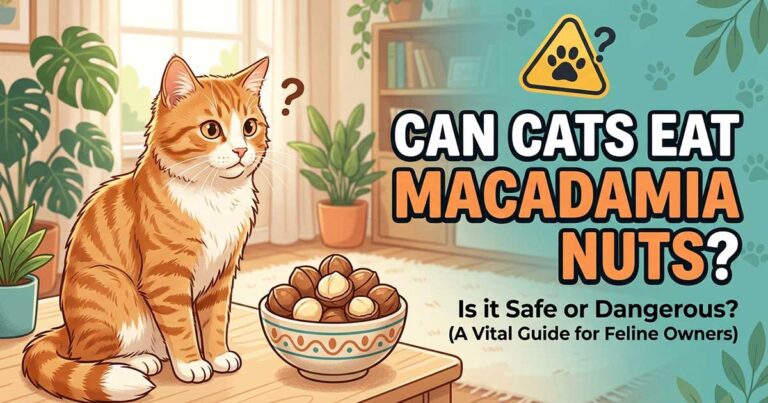
 

Can Cats Eat Macadamia Nuts? Complete Guide

0

Hello, fellow cat lovers! Today, we’re diving into the question that’s been keeping many of us up at night – can our feline friends enjoy the crunchy, buttery goodness of macadamia nuts? Let’s find out together.

Are Macadamia Nuts Safe for Cats?

We’ve all heard that macadamia nuts are toxic to dogs, but what about our beloved cats? The jury’s still out on this one, but it’s best to exercise caution. While there’s no definitive proof that macadamia nuts are toxic to cats, they have been known to cause issues in some felines.

What Happens if Cats Eat Macadamia Nuts?

If your cat ingests macadamia nuts, they may exhibit symptoms such as:

  • Lethargy
  • Weakness
  • Depression
  • Hind leg paralysis
  • Loss of coordination

These symptoms usually appear within 12 hours of ingestion and can last for up to 48 hours. However, every cat is unique, and reactions can vary.

How Much Is Safe?

To be on the safe side, it’s best to avoid giving macadamia nuts to your cat altogether. The old saying “an ounce of prevention is worth a pound of cure” certainly applies here. There’s simply no need to risk your cat’s health when there are so many other cat-friendly treats available.

Frequently Asked Questions

Can cats eat other types of nuts?

While some nuts are safe for cats in moderation, others are not. For example, almonds and peanut butter are typically fine, but walnuts and pecans should be avoided. Always consult with your vet before introducing new foods to your cat’s diet.

What should I do if my cat eats macadamia nuts?

If you suspect your cat has eaten macadamia nuts and is exhibiting any of the symptoms listed above, contact your vet immediately. They can provide guidance based on your cat’s specific situation and monitor them for any signs of illness.

Are there any cat-safe alternatives to macadamia nuts?

Absolutely! There are plenty of cat-friendly treats out there, from store-bought options to homemade goodies. Some cat-safe alternatives to nuts include cooked chicken, tuna, and catnip. Always ensure any treats you give your cat are specifically designed for felines and are not high in fat or salt.

And there you have it, folks! While macadamia nuts might not be the worst thing your cat could ingest, it’s best to steer clear of them just to be safe. After all, our cats deserve the best, and that means providing them with a healthy, balanced diet.

As always, if you have any questions or concerns about your cat’s diet, don’t hesitate to consult with your vet. They’re the experts, after all! Happy tails! 🐾


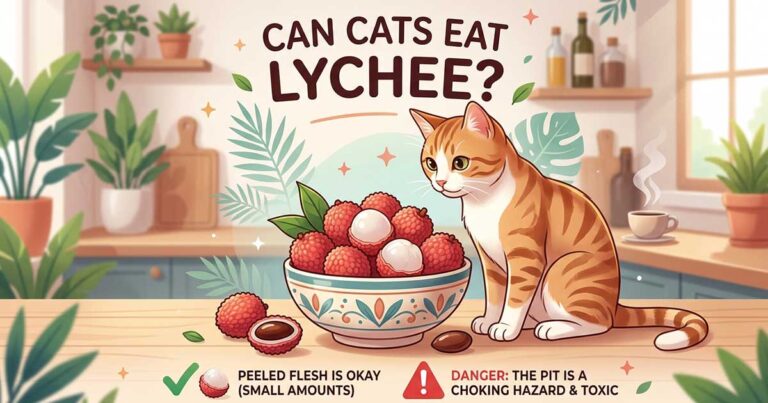
Can Cats Eat Lychee? Complete Guide

0

Hello, pet parents! Today, we’re diving into the world of fruits and exploring a question we often get asked: Can cats eat lychee? The short answer is no, but we’re here to explain why and to ensure your feline friend stays safe and happy.

Why Lychee is Not Recommended for Cats

  • Toxic Pit: The pit of a lychee fruit contains hydrocyanic acid, which is highly toxic to cats. Even the smallest amount can cause serious health issues, including vomiting, diarrhea, and even more severe symptoms.
  • No Nutritional Value: Even if you manage to remove the pit, the flesh of the lychee fruit provides no nutritional benefit to cats. In fact, it’s mostly water and sugar, which can lead to obesity and other health problems if fed regularly to your cat.

Given these reasons, it’s best to keep lychee out of your cat’s diet. Instead, stick to cat-safe fruits like bananas, blueberries, or apples (without the seeds or core).

How Much Is Safe? None, Actually!

You might be wondering, “What if I remove the pit and only give my cat a tiny bit of the flesh?” While it’s true that a small amount might not cause immediate harm, it’s still not recommended. Cats are small, and even a tiny bit of toxic substance can have a big impact on their health. Plus, it’s always best to avoid the risk altogether.

Frequently Asked Questions

1. Can Kittens Eat Lychee?

No, kittens should not eat lychee either. In fact, they’re even more sensitive to toxins than adult cats, so it’s especially important to keep lychee away from them.

2. What Should I Do If My Cat Ate Lychee?

If you suspect your cat has ingested lychee, especially the pit, contact your vet immediately. They can provide guidance based on the amount consumed and your cat’s size and health. In some cases, they may recommend inducing vomiting, but only do so under their guidance.

3. Are Other Fruits Safe for Cats?

Not all fruits are off-limits, but it’s still important to be cautious. Some fruits, like apples and bananas, can be given in moderation, but always remove any pits, seeds, or skins that could cause harm. Always consult with your vet before introducing new foods to your cat’s diet.

Can Cats Eat Mackerel? Complete Guide

0

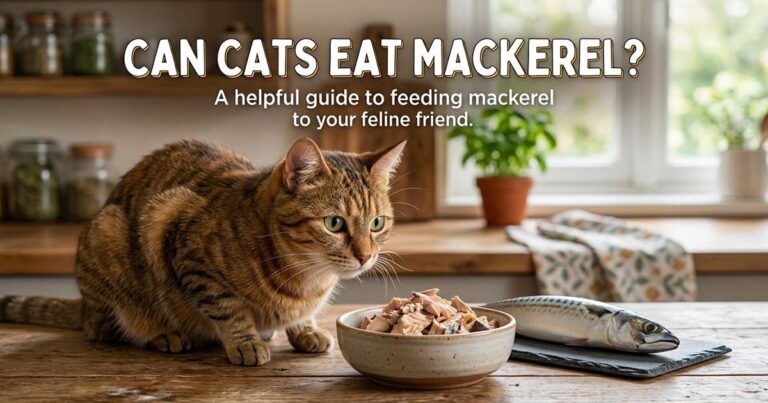
Hello, pet parents! Today, we’re diving into the ocean of feline nutrition to explore a tasty question: can cats eat mackerel? The short answer is yes, and we’re here to tell you why this fishy treat is fantastic for your furry friend.

Why Mackerel is Purrfect for Cats

Mackerel is packed with goodness that your cat will love. It’s rich in omega-3 fatty acids, which are essential for your cat’s skin, coat, and overall health. Plus, most cats find the taste irresistible!

How to Serve Mackerel to Your Cat

Now that you know mackerel is a purrfect treat, let’s talk about how to serve it. Remember, cats are obligate carnivores, so their food should be high in protein and low in carbohydrates.

  • Cooked: You can cook mackerel at home, ensuring it’s boneless and skinless. Avoid adding any seasoning, especially salt, as it’s not good for cats.
  • Canned: Opt for canned mackerel in water, not oil. Again, no added salt please!

How Much Is Safe?

While mackerel is a great treat, it should be given in moderation. A small portion, about the size of your cat’s paw, once or twice a week is sufficient. Remember, your cat’s regular diet should provide the majority of their nutritional needs.

Frequently Asked Questions

1. Can I give my cat mackerel every day?

No, it’s best to stick to a small portion once or twice a week. Too much mackerel can lead to upset tummies and may cause your cat to refuse their regular food.

2. Can I give my cat smoked mackerel?

It’s best to avoid smoked mackerel as the smoking process can make it too salty for cats. Stick to fresh, cooked, or canned mackerel in water.

3. Can I give my cat mackerel if they’re on a special diet?

If your cat is on a special diet due to health issues, always consult with your vet before introducing any new foods, including mackerel.

And there you have it, folks! Mackerel is a fantastic treat for your feline friend, packed with omega-3s and loved by most cats. Just remember to serve it in small portions and always consult with your vet if you’re unsure about any changes to your cat’s diet.


Can Cats Eat Liver? Complete Guide

0

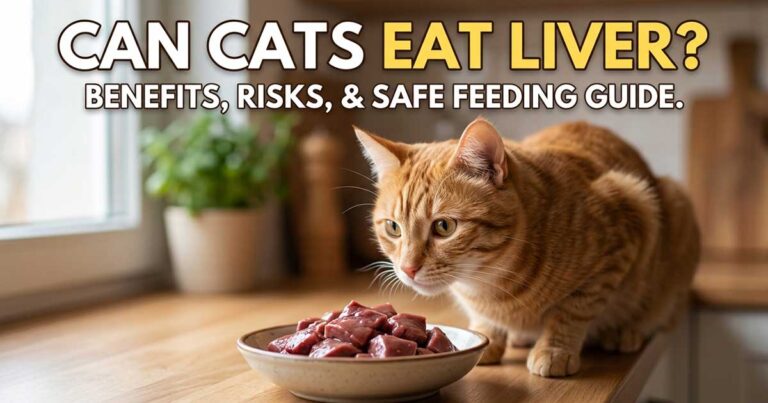
Hello, pet parents! Today, we’re diving into the fascinating world of feline nutrition to explore the age-old question: Can cats eat liver? The short answer is yes, but as always, there’s more to consider than just a simple thumbs-up or thumbs-down.

Why Liver Can Be Good for Cats

Liver is a powerhouse of nutrients for both humans and our feline friends. It’s packed with essential amino acids, vitamins, and minerals like iron, zinc, and vitamins A, B, and K. It’s also high in protein, which is crucial for your cat’s growth, development, and overall health.

  • High in Protein: Cats need a high-protein diet due to their obligate carnivore status.
  • Rich in Vitamins and Minerals: Liver provides a wide range of essential nutrients.

Why Too Much Liver Can Be Bad

While liver is a nutritional powerhouse, it’s also high in vitamin A. Too much vitamin A can lead to toxicity, which can cause serious issues like bone growth abnormalities, weight loss, and even death in extreme cases.

  • Vitamin A Toxicity: Too much vitamin A can lead to serious health problems.
  • Risk of Obesity: Liver is also high in calories, so overfeeding can contribute to weight gain.

How Much Is Safe?

The key to feeding liver to your cat safely lies in moderation. The ASPCA recommends no more than 10% of your cat’s daily calories should come from liver, which is roughly equivalent to a teaspoon or two per day for an average-sized cat.

  • Moderation is Key: Limit liver to no more than 10% of your cat’s daily calories.
  • Gradual Introduction: Introduce liver gradually to avoid upsetting your cat’s stomach.

Frequently Asked Questions

Q: Can Kittens Eat Liver?

A: It’s best to avoid giving liver to kittens due to the high vitamin A content. Stick to kitten-specific food and consult your vet before introducing any new foods.

Q: Can Cats Eat Beef Liver?

A:A: Yes, beef liver is safe for cats in moderation. Make sure it’s cooked thoroughly and served in small amounts.

Q: Can Cats Eat Chicken Liver?

A: Yes, chicken liver is also safe for cats in moderation. Again, ensure it’s cooked thoroughly before serving.


Can Cats Eat Mango Skin? Complete Guide

0

Hello, fellow pet parents! Today, we’re diving into the tasty world of mangoes and finding out if our feline friends can join us in enjoying this juicy treat. Spoiler alert: they can’t have the skin, but let’s explore why and what they can eat instead.

Is Mango Skin Safe for Cats?

Sadly, no. Mango skin is not safe for our beloved cats. Here’s why:

  • Digestive Issues: Cats lack the necessary enzymes to digest plant material efficiently. Mango skin, being a tough and fibrous material, can cause digestive upset, leading to symptoms like vomiting and diarrhea.
  • Choking Hazard: The skin is also a choking hazard, especially for smaller cats. It could potentially cause blockages in their digestive system if swallowed.
  • Toxicity: While not toxic to cats, the skin contains a substance called urushiol, which can cause skin irritation and allergic reactions in some cats.

Warning: Always remove the skin and pit before offering mango flesh to your cat.

What Can Cats Eat? The Flesh, of Course!

Good news! Cats can enjoy the flesh of ripe mangoes in moderation. It’s a great source of vitamins A, B6, C, and E, as well as potassium and fiber. However, remember that mangoes are high in sugar, so they should be given as an occasional treat, not a regular part of their diet.

How Much Is Safe?

The general rule is to feed your cat no more than 10% of their daily calories in treats. For a typical 10-pound cat, that’s about 1-2 teaspoons of mango flesh per day. Always introduce new foods gradually and watch for any signs of digestive upset.

Frequently Asked Questions

1. Can kittens eat mango?

It’s best to avoid giving mango to kittens under one year old. Their digestive systems are still developing, and they may be more sensitive to new foods.

2. Can cats have mango juice?

No. Mango juice is high in sugar and can cause digestive upset and dental issues in cats. Stick to plain, fresh water for your feline friend.

3. What about other fruits? Can cats eat them too?

Some fruits, like bananas and blueberries, are safe and nutritious for cats in moderation. However, many fruits, like grapes and raisins, are toxic to cats. Always research new foods before sharing them with your cat.

As always, if you have any concerns about your cat’s diet, consult your veterinarian. They can provide personalized advice based on your cat’s health, age, and activity level. Until next time, happy mango munching (for you, not your cat!)


Can Cats Eat Mango? Complete Guide

0

Ah, mangoes! A tropical delight that’s a favorite among humans. But can our feline friends enjoy this juicy fruit too? The short answer is yes, but let’s delve a little deeper into this tasty topic.

Is Mango Safe for Cats?

Good news, cat parents! Mango flesh is not toxic to cats. However, it’s essential to remember that cats are obligate carnivores, which means their diet should primarily consist of meat. Fruits like mango offer little nutritional value to cats and are high in sugar, which can lead to health issues if fed in excess.

Preparing Mango for Your Cat

  • Remove the pit and skin: Mango pits can pose a choking hazard or cause intestinal blockage if swallowed. The skin is also tough and difficult to digest.
  • Cut into small pieces: Ensure the mango pieces are small enough to prevent choking.

How Much Is Safe?

Mango should be given as an occasional treat, not a regular part of your cat’s diet. A small piece, about the size of a pea or a cat treat, is sufficient. Gradually increase the portion size if your cat doesn’t show any adverse reactions, but remember, moderation is key!

When to Avoid Feeding Mango

  • Sensitive stomachs: Some cats have sensitive stomachs and may not tolerate mango well. If your cat has a history of digestive issues, it’s best to avoid introducing new foods like mango.
  • Diabetic cats: Due to its high sugar content, mango should be avoided in diabetic cats.

Frequently Asked Questions

Can cats eat mango skin?

No, cats should not eat mango skin. It’s tough and can cause digestive upset or even blockages.

What if my cat accidentally eats a mango pit?

While mango pits are not poisonous, they can cause blockages if swallowed whole. Keep an eye on your cat for any signs of discomfort or constipation. If you notice any issues, contact your vet immediately.

Can kittens eat mango?

It’s best to wait until your kitten is at least a year old before introducing any new foods, including mango. Younger cats have more sensitive digestive systems, and their nutritional needs are different from adult cats.

So there you have it! While mango isn’t harmful to cats in small amounts, it’s not a necessary part of their diet. Always remember that a balanced diet of cat-specific food is the best way to keep your feline friend healthy and happy.

Can Cats Eat Melon? Complete Guide

0

As responsible pet owners, we always want to ensure our feline friends are munching on the best and healthiest foods. So, can cats eat melon? The short answer is yes, but with caution.

Why Melon Can Be a Treat for Your Cat

Melons, like cantaloupe, honeydew, and watermelon, are low in calories, high in water content, and packed with essential vitamins and minerals. This makes them a hydrating and nutritious treat for your cat. However, it’s crucial to remember that cats are obligate carnivores, meaning their diet should primarily consist of meat-based proteins.

How to Serve Melon to Your Cat

If you decide to give your cat a small piece of melon, ensure you prepare it safely:

  • Remove the rind and seeds. These parts can be difficult for cats to digest and may even pose a choking hazard.
  • Cut the melon into tiny, cat-bite sized pieces. This makes it easier for your cat to eat and reduces the risk of choking.
  • Introduce melon gradually. Start with a small amount to see how your cat reacts. Some cats may have a sensitive stomach and could experience digestive upset.

How Much Is Safe?

While melon can be a tasty treat for your cat, it’s important to keep portions small. A cat-sized piece of melon, about the size of a large pea, is more than enough. Remember, melon is high in sugar, so limit the amount you give your cat to ensure you’re not overloading them with sugar.

Frequently Asked Questions

Can cats eat the rind and seeds of melon?

It’s best to avoid giving your cat melon rind and seeds. They can be difficult to digest and may cause gastrointestinal upset. Additionally, the rind can be a choking hazard.

What if my cat eats a large piece of melon?

If your cat eats a large piece of melon, monitor them for signs of digestive upset, such as vomiting or diarrhea. If these symptoms occur, or if you notice any other concerning signs, contact your vet immediately.

Can all cats eat melon?

Every cat is unique, and some may have sensitivities or allergies to certain foods, including melon. If you’re unsure whether your cat can safely eat melon, consult with your vet before introducing it to their diet.


Can Hamsters Eat Xylitol? Complete Guide

0

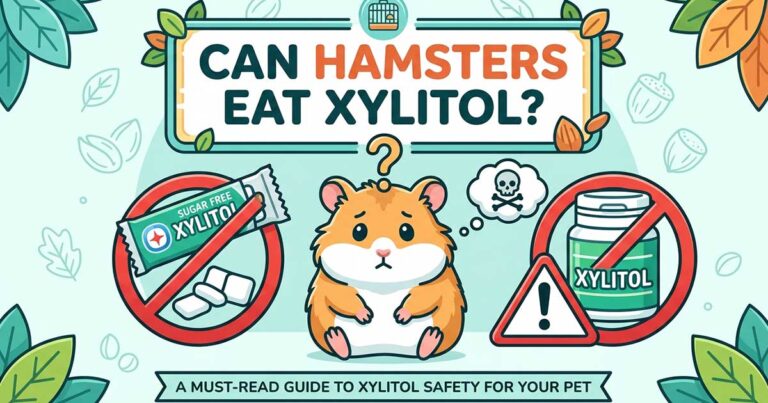
Hello, pet parents! Today, we’re diving into a crucial topic that could make a significant difference in your hamster’s health and well-being. The question on the table is: Can hamsters eat xylitol? The short answer is no, and we’re going to explore why.

Why Is Xylitol Toxic to Hamsters?

Xylitol is a sugar alcohol used as a sweetener in many sugar-free products like candy, gum, and baked goods. While it’s safe for humans in moderation, it’s toxic to hamsters and other small pets like ferrets, rabbits, and guinea pigs.

The problem lies in how their bodies process xylitol. Unlike humans, hamsters lack the necessary enzymes to break down xylitol. When xylitol is consumed, it’s rapidly absorbed into the bloodstream, causing a spike in insulin levels. This leads to a dangerous drop in blood sugar, which can be fatal if not treated promptly.

What Should I Do if My Hamster Ate Xylitol?

If you suspect or know that your hamster has ingested xylitol, it’s a veterinary emergency. Contact your vet immediately or, if after hours, go to the nearest emergency pet clinic. Time is of the essence in these situations.

How Much Is Safe?

To be clear, there’s no safe amount of xylitol for hamsters. Even small amounts can be toxic. The ASPCA reports that ingestion of as little as 0.1g/kg of body weight can cause a dangerous drop in blood sugar in dogs, so it’s best to assume the same for hamsters.

What Products Contain Xylitol?

Xylitol is often found in sugar-free products, so be sure to check the labels of any human foods or medications you might have around the house. Here are some common products to avoid:

  • Sugar-free gum and candy
  • Baked goods and desserts labeled “sugar-free” or “low-sugar”
  • Certain medications, like some types of chewable vitamins or tablets
  • Toothpaste and mouthwash

Frequently Asked Questions

Isn’t Xylitol Safe for Some Pets?

Yes, xylitol is safe for some pets, like dogs, in small amounts. However, it’s toxic to hamsters, ferrets, rabbits, and guinea pigs. Always check with your vet for advice tailored to your pet’s specific needs.

Can I Give My Hamster Sugar-Free Treats?

While xylitol is the most common sugar alcohol in sugar-free products, it’s not the only one. Erythritol, for instance, is safe for hamsters in small amounts. However, it’s best to stick to hamster-safe treats and foods to avoid any potential issues.

What Should I Do if I Accidentally Give My Hamster Xylitol?

First, don’t panic. Accidents happen. Contact your vet immediately, and follow their instructions. They may advise induced vomiting or rushed to the clinic for further care. In the meantime, monitor your hamster for signs of distress, such as lethargy, vomiting, or seizures.

We hope this article has helped you understand the importance of keeping xylitol away from your hamster. If you have any other questions or concerns, don’t hesitate to contact your vet or leave a comment below. Thanks for reading, and happy hamster parenting!


Can Hamsters Eat Yogurt? Complete Guide

0

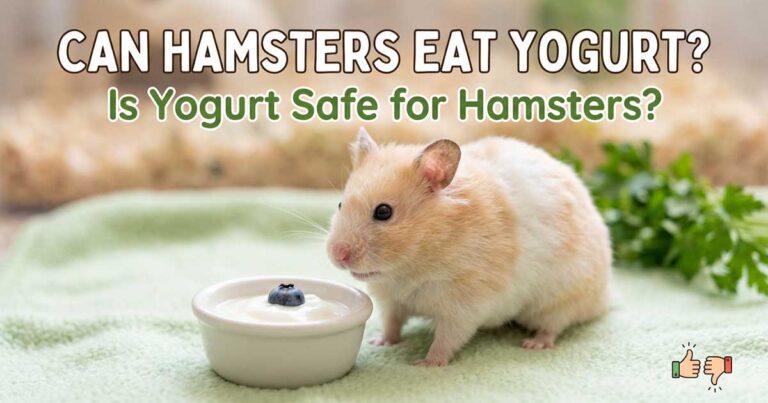
Hello, fellow hamster parents! Today, we’re diving into an exciting question that’s been keeping you up at night: Can hamsters eat yogurt? The short answer is yes, but hold your tiny spoons, because there’s a lot more to consider.

What’s the Deal with Yogurt?

Yogurt, with its creamy texture and tangy taste, might seem like a pawsome treat for your little furball. And you’re not wrong! Yogurt contains beneficial probiotics, which can help maintain a healthy gut in hamsters. It’s also a good source of calcium and protein. But before you start dishing out dollops of your favorite frozen yogurt, let’s pump the brakes.

First things first, yogurt should be given sparingly and only as an occasional treat. This is because it’s high in lactose, which many hamsters have trouble digesting. Giving your hamster too much yogurt could lead to an upset tummy, diarrhea, and other not-so-fun digestive issues.

How to Serve Yogurt to Your Hamster

If you’re eager to introduce yogurt to your hamster’s diet, here’s how to do it safely:

  • Choose plain and unsweetened. Skip the flavored, sweetened yogurts. They’re high in sugar and contain ingredients that could be harmful to your hamster.
  • Start small. A tiny pinch of yogurt is all you need. You can use a toothpick or a small spoon to place it on your hamster’s food dish.
  • Monitor their reactions. Keep an eye on your hamster after they’ve eaten the yogurt. If they show any signs of digestive upset, it’s best to stick to hamster-safe foods in the future.

How Much Yogurt Is Safe for Hamsters?

As a general rule, yogurt should make up no more than 10% of your hamster’s daily diet. This means that a tiny bit of yogurt, given once or twice a week, should be safe for your furry friend. But remember, every hamster is unique, and some might be more lactose intolerant than others.

When in doubt, always consult with your vet. They can provide personalized advice based on your hamster’s specific needs and health status.

Frequently Asked Questions

1. Can I give my hamster Greek yogurt?

Greek yogurt is high in protein and calcium, but it’s also high in lactose. It’s best to stick with plain, regular yogurt for your hamster. If you’re unsure, it’s always a good idea to consult with your vet.

2. Can hamsters eat yogurt every day?

No, yogurt should not be given to hamsters every day. It should be an occasional treat, given no more than once or twice a week. Feeding your hamster yogurt daily could lead to digestive problems.

3. What should I do if my hamster gets sick after eating yogurt?

If your hamster shows signs of digestive upset after eating yogurt, such as diarrhea or lethargy, it’s important to withhold food for 12-24 hours and provide plenty of fresh water. If their condition doesn’t improve, or if they show signs of severe illness, it’s crucial to contact your vet right away.

And there you have it, folks! With a little caution and a lot of love, you can safely introduce yogurt into your hamster’s diet. But remember, variety is the spice of life, and there are plenty of other tasty treats your hamster can enjoy. Thanks for joining us today, and we’ll see you next time on PetsFeed.co!