Home Blog Page 2

Can Rabbits Eat Mint? Complete Guide

0

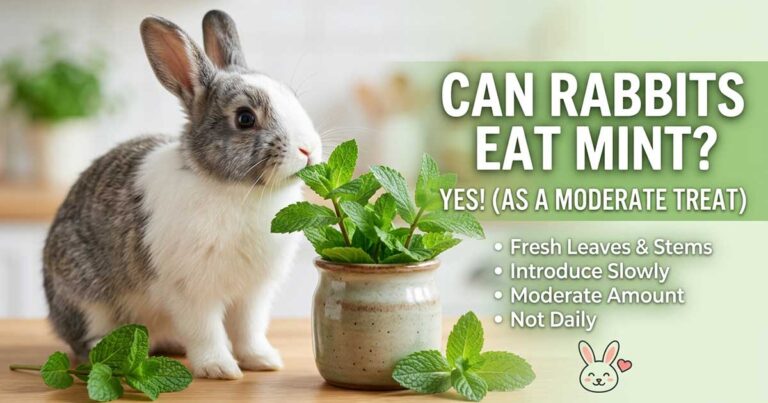
Hello, pet parents! Today, we’re diving into the world of wabbits and herbs to answer a question that’s been tickling our curiosity: can rabbits eat mint? The short answer is a resounding yes, and we’re excited to share more about this popular and safe herb that your fluffy friend is sure to love.

Why Mint is a Purrfect Choice for Your Rabbit

Mint isn’t just a refreshing treat for us humans – it’s also a favorite among rabbits! This aromatic herb is packed with essential nutrients that support your rabbit’s overall health. It’s high in fiber, which aids in digestion and keeps their digestive system running smoothly. Plus, the act of munching on mint leaves helps wear down your rabbit’s teeth, which grow continuously throughout their lives.

How to Serve Mint to Your Rabbit

Now that you know mint is a safe and tasty treat for your rabbit, you might be wondering how to serve it. The easiest way is to offer fresh mint leaves, a few at a time. Start by introducing mint gradually, as you would with any new food, to allow your rabbit’s digestive system to adjust. Here’s a simple serving suggestion:

  • Wash a small handful of fresh mint leaves
  • Pat them dry gently
  • Offer a few leaves at a time, tucked into their hay or scattered on their favorite blanket

Remember, moderation is key! While mint is safe for rabbits, it’s still important not to overindulge your furry friend. A few leaves here and there will be more than enough to keep them happy and healthy.

How Much Mint is Safe for Your Rabbit?

So, how much mint is too much? As a general rule, you should limit your rabbit’s mint intake to no more than 1-2% of their daily diet. This means that, for example, if your rabbit eats 100 grams of food per day, they should have no more than 1-2 grams of mint leaves. This is equivalent to about 1-2 teaspoons of fresh mint leaves.

It’s also essential to keep an eye on your rabbit’s behavior after introducing mint. If you notice any signs of digestive upset, such as decreased appetite, lethargy, or changes in their bowel movements, scale back or stop offering mint until their system settles down.

Frequently Asked Questions

Can I give my rabbit mint tea?

While it might be tempting to share your morning cuppa with your furry friend, it’s best to avoid giving your rabbit mint tea. The steeped leaves and water might contain small amounts of caffeine or other compounds that could be harmful to your rabbit. Stick to fresh, plain mint leaves instead.

Can I grow mint for my rabbit at home?

Absolutely! Growing your own mint plants is a fantastic way to provide fresh, organic treats for your rabbit. Plus, watching them enjoy their homegrown snack is sure to bring a smile to your face. Just be sure to keep your rabbit safe by using pet-safe pest control methods and avoiding any plants that could be harmful if ingested.

Can rabbits eat other herbs besides mint?

Yes, rabbits can enjoy a variety of herbs besides mint! Some popular rabbit-safe herbs include basil, cilantro, dill, and parsley. However, it’s essential to introduce new herbs gradually, just as you would with mint, and always monitor your rabbit for any signs of digestive upset.

And there you have it – everything you need to know about feeding mint to your rabbit! With its delicious taste and digestive benefits, it’s no wonder this aromatic herb is a favorite among wabbits. Happy snacking, and until next time, keep your pet’s bowl full of love!
Can Rabbits Eat Mozzarella? Complete Guide

0

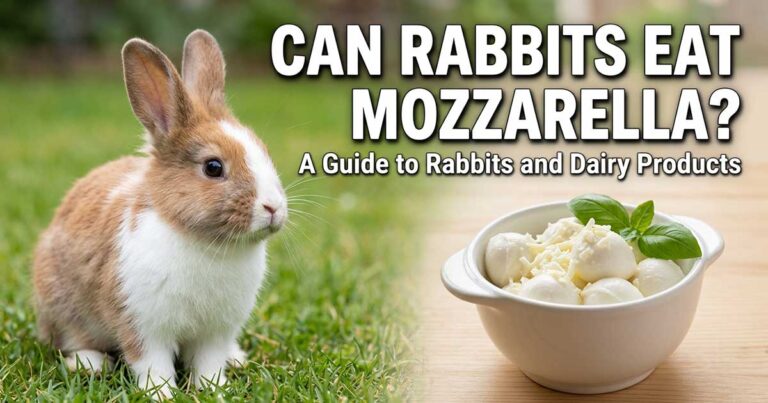
Hello there, fur parents! Today, we’re diving into a tasty topic that’s been hopping around the rabbit community: can rabbits eat mozzarella? Let’s get straight to the point – the answer is a firm no. But don’t worry, we’ll explain why and what you can offer your fluffy friend instead. Let’s get started!

Why Mozzarella is a No-No

Rabbits might look at you with those adorable eyes when you’re enjoying your pizza, but it’s best to resist their persuasive bunny blinks. Here’s why:

  • Lactose Intolerance: Just like many humans, rabbits are lactose intolerant. This means they can’t digest lactose, a sugar found in dairy products like mozzarella.
  • Gastrointestinal Upset: Feeding your rabbit dairy can cause stomach upsets, leading to symptoms like diarrhea, lethargy, and even loss of appetite.
  • High Fat and Calories: Mozzarella is high in fat and calories, which can contribute to obesity and other health issues in rabbits.

Warning: Never feed dairy to rabbits. It’s always best to stick to a diet that’s safe and healthy for your rabbit.

What Can Rabbits Eat Instead?

Don’t worry; there are plenty of delicious and safe alternatives to mozzarella that your rabbit will love! Here are a few ideas:

  • Fresh vegetables: Leafy greens, bell peppers, carrots, and squash are all great choices.
  • Hay and pellets: These should make up the majority of your rabbit’s diet. They provide essential fiber and nutrients.
  • Fruits: In moderation, fruits like apples, bananas, and berries can be a tasty treat for your rabbit.

How Much Is Safe?

While it’s tempting to share your food with your rabbit, it’s important to remember that their digestive systems are sensitive. Always introduce new foods gradually and in small amounts to avoid upsetting their stomach. Here’s a general guideline:

  • Fresh vegetables and fruits: Offer 1-2 cups per 2 lbs of body weight per day, divided into 2-3 servings.
  • Hay: Provide unlimited amounts of good quality hay, such as Timothy hay, for your rabbit to graze on throughout the day.
  • Pellets: Offer a 1/8 to 1/4 cup of pellets per 2 lbs of body weight per day.

Frequently Asked Questions

Can rabbits eat other types of cheese?

No, it’s best to avoid all types of cheese for rabbits due to their lactose intolerance. Opt for safer, bunny-approved treats instead.

What if my rabbit accidentally eats mozzarella?

If your rabbit accidentally ingests a small amount of mozzarella, keep an eye on them for any signs of stomach upset, such as diarrhea or lethargy. If symptoms persist or worsen, contact your vet immediately.

Can baby rabbits have different dietary needs?

Yes, baby rabbits (kittens) have specific dietary requirements. They should be fed a special kitten formula or a suitable milk replacement until they’re weaned onto solid food. Always consult with a vet for advice on caring for baby rabbits.

And there you have it – everything you need to know about feeding mozzarella to your rabbit. By offering a balanced diet of hay, pellets, fresh veggies, and fruits, you’ll keep your bunny happy, healthy, and hopping with energy! Until next time, happy bunny parenting!


Can Hamsters Eat Wheatgrass? Complete Guide

0

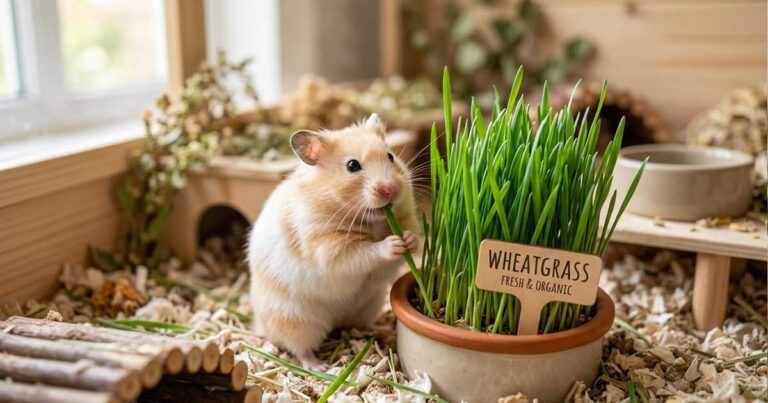
Hello, pet parents! Today, we’re diving into a question that’s been nibbling at the back of your mind – can hamsters eat wheatgrass?

Verdict: Yes, Hamsters Can Enjoy Wheatgrass!

We’re delighted to share that hamsters can indeed enjoy the green goodness of wheatgrass! Not only do they find it tasty, but it’s also a great addition to their diet, packed with essential nutrients that support their overall health.

Why Wheatgrass is a Pawsome Addition to Your Hamster’s Diet

  • Digestive Health: Wheatgrass is a fantastic source of fiber, which aids in digestion and prevents constipation. It also promotes the growth of beneficial gut bacteria.
  • Nutrient Boost: This green superfood is packed with essential vitamins (A, C, and K) and minerals (calcium, iron, and potassium), as well as antioxidants that help strengthen your hamster’s immune system.
  • Fresh Breath: Wheatgrass has natural deodorizing properties that can help freshen your hamster’s breath and reduce odors in their cage.

Remember, moderation is key when introducing new foods to your hamster’s diet. So, let’s talk about how much wheatgrass is safe for your little friend.

How Much Is Safe?

Start by offering a small amount of fresh wheatgrass (about the size of a pea) once or twice a week. Monitor your hamster’s reaction closely, and if they seem to enjoy it and show no signs of digestive upset, you can gradually increase the amount to about 1-2 teaspoons per week.

Always ensure that the wheatgrass is fresh, organic, and free from pesticides. You can grow it at home or purchase it from a reputable pet store or local farmers market.

Frequently Asked Questions

1. Can I give my hamster dried wheatgrass?

While dried wheatgrass is more convenient, fresh wheatgrass is more nutritious and easier for your hamster to digest. If you choose to offer dried wheatgrass, make sure it’s 100% natural, with no added salt or other preservatives. Soak it in water for a few minutes before offering it to your hamster to rehydrate it slightly.

2. Can I grow wheatgrass at home for my hamster?

Absolutely! Growing wheatgrass at home is not only cost-effective but also ensures that your hamster has access to fresh, organic greens. You can use a shallow tray or pot filled with potting soil, and with a little patience and care, you’ll have a lush wheatgrass patch ready for your hamster to enjoy.

3. What if my hamster refuses to eat wheatgrass?

Not all hamsters will be immediately interested in wheatgrass, and that’s okay! You can try offering it in different ways, such as mixing it with their favorite food or placing it in a shallow dish. If your hamster still shows no interest, don’t force it. There are plenty of other healthy greens they can enjoy, like spinach, kale, or parsley.

That’s all for today, pet parents! We hope this article has helped you discover the benefits of wheatgrass for your hamster. As always, if you have any questions or concerns, don’t hesitate to consult with your veterinarian. Until next time, happy hamster parenting!

Can Hamsters Eat White Rice? Complete Guide

0

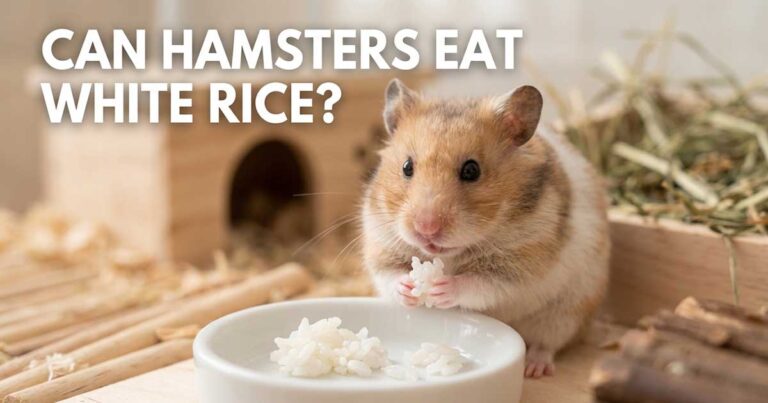
As a loving pet owner, you might be wondering if it’s safe to feed your hamster some of your leftover white rice. The short answer is yes, but there are a few things to consider.

White Rice is Okay in Small Quantities

White rice is not toxic to hamsters, and a small amount can be a part of their varied diet. It’s important to note that rice should be cooked and plain, without any seasoning or oil. Just a sprinkle of plain cooked white rice can make a fun and tasty treat for your little friend.

How to Serve White Rice to Your Hamster

  • Cooked: Always serve cooked rice. Raw rice can be hard to digest and may cause stomach upset.
  • Plain: Avoid adding any seasoning or oil. Hamsters’ digestive systems are sensitive, and they can’t process these additives.
  • Small Amounts: Rice should be a treat, not a staple. A pinch the size of a pea is more than enough for a hamster.

How Much Is Safe?

Hamsters are tiny creatures with tiny tummies. A small pinch of cooked white rice, about the size of a pea, is enough for them. Feeding them too much rice can lead to digestive issues and may cause them to stop eating their regular hamster food.

Variation in Rice Types

While plain cooked white rice is safe for hamsters in small quantities, other types of rice might not be. Brown rice, for example, is higher in fiber and can be harder to digest. Instant rice often contains additives that aren’t suitable for hamsters. Always stick to plain cooked white rice.

Frequently Asked Questions

Can Hamsters Eat Rice Every Day?

No, rice should not be a daily part of your hamster’s diet. It’s a treat and should be given in moderation. Their regular diet should consist of hamster-specific food and a variety of vegetables and fruits.

What If My Hamster Won’t Eat the Rice?

If your hamster doesn’t eat the rice, don’t worry. Hamsters have unique tastes, and not all of them will like rice. You can try again in a few days, but if your hamster still doesn’t show interest, it’s okay to stop offering it.

Can Hamsters Eat Rice Cakes?

No, rice cakes are not suitable for hamsters. They are too high in carbohydrates and lack the nutritional balance that hamsters need. It’s best to stick to plain cooked white rice as an occasional treat, and regular hamster food as their main diet.

Can Cats Eat Leeks? Complete Guide

0

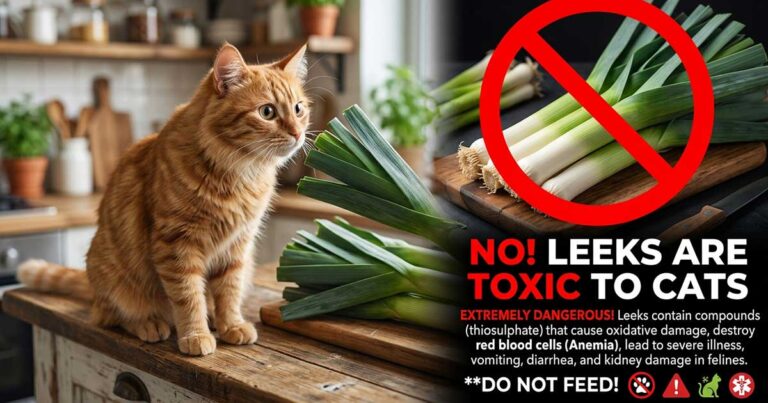
Hello, purr-fect pet parents! Today, we’re diving into the question that’s been whisking around the cat community: Can cats eat leeks? The short answer is no, they can’t, and here’s why.

Why Leeks Are Off the Menu for Cats

Leeks belong to the allium family, which also includes onions, garlic, and chives. All these veggies are toxic to our feline friends. Here’s what happens when cats ingest allium vegetables:

  • Damage to Red Blood Cells: Cats lack the enzyme that dogs and humans have to break down the toxins in alliums. When ingested, these toxins attack and damage the cat’s red blood cells.
  • Anemia: The damage to red blood cells can lead to anemia, a condition where the cat’s body doesn’t have enough healthy red blood cells to carry oxygen.
  • Symptoms: Symptoms of allium toxicity in cats can include lethargy, weakness, pale gums, rapid breathing, and collapse.

Warning: Keep all allium vegetables out of your cat’s reach, and avoid using them in their food.

How Much Is Safe?

The amount it takes to poison a cat can vary, but even a small amount can be toxic. A cat that weighs 5 pounds only needs to ingest about 0.5 teaspoon of garlic or 1 teaspoon of onion or leek to be at risk.

Remember: Cats are curious and might nibble on your leftover salad or steal a piece of garlic bread. It’s best to keep all allium products away from your cat to avoid any potential harm.

Frequently Asked Questions

1. What should I do if my cat accidentally eats leek?

If you suspect your cat has ingested leek or any other allium vegetable, contact your veterinarian immediately. They may recommend inducing vomiting, or they might perform additional tests to check for anemia.

2. Are cooked leeks safe for cats?

No, cooked leeks are still toxic to cats. Cooking doesn’t reduce the toxicity of allium vegetables. In fact, some cats might be more attracted to the smell of cooked alliums, increasing the risk of accidental ingestion.

3. Can cats have other vegetables?

Yes, cats can have other vegetables, but monitor their intake and ensure they’re cat-safe. Some cat-friendly veggies include cooked sweet potatoes, pumpkin, and green beans. Always introduce new foods gradually and in moderation.

Stay purr-sistent in keeping your cat safe by sticking to cat-safe foods and consulting with your vet before making any significant changes to your cat’s diet.


Can Cats Eat Lavender? Complete Guide

0

Hello, pet parents! Today, we’re diving into a fragrant yet potentially harmful topic: can cats eat lavender?

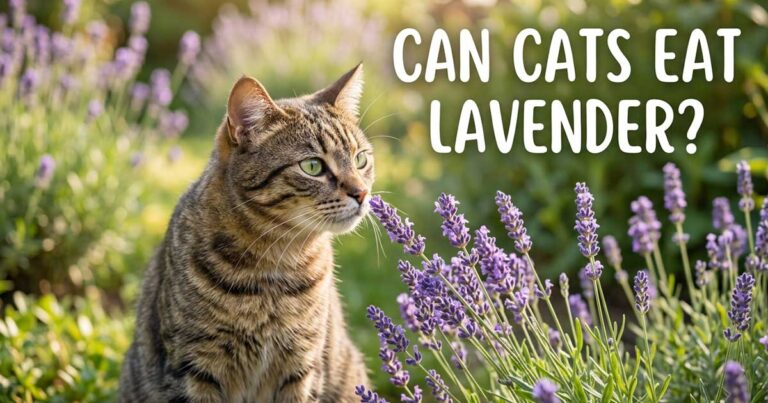
Let’s put it plain and simple: no, you shouldn’t let your cat eat lavender. While it might seem like a harmless, pretty plant, lavender is actually quite toxic to our feline friends. Here’s why:

  • Lavender essential oils are toxic. These oils contain compounds called linalool and linalyl acetate, which can cause serious harm to cats if ingested. Symptoms can range from nausea and vomiting to more severe issues like abnormal heart rhythms and even death.
  • The plant itself can cause digestive upset. Even if your cat doesn’t get their paws on any essential oils, the lavender plant itself can cause stomach upset, vomiting, and diarrhea if ingested.

How Much Is Safe?

To be on the safe side, avoid letting your cat have any access to lavender at all. Keep lavender plants out of reach, and make sure any lavender-scented products are stored securely. If you suspect your cat has ingested lavender, contact your vet immediately.

Frequently Asked Questions

1. What about other types of cats, like lions or tigers?

Domestic cats (Felis catus) are particularly sensitive to the compounds in lavender. While big cats like lions and tigers might have different tolerances, it’s still best to avoid lavender around them as well.

2. Can I use lavender-scented products around my cat?

It’s best to avoid using lavender-scented products around your cat, especially if your cat has a tendency to groom themselves excessively. If you must use them, make sure to keep your cat away from the area until the product has fully dissipated.

3. What should I do if my cat ingests lavender?

If you suspect your cat has ingested lavender, contact your vet immediately. They can provide guidance based on your cat’s size, the amount ingested, and your cat’s overall health. In many cases, inducing vomiting may be recommended, but never do this without first consulting a vet.

Can Hamsters Eat Apricot? Complete Guide

0

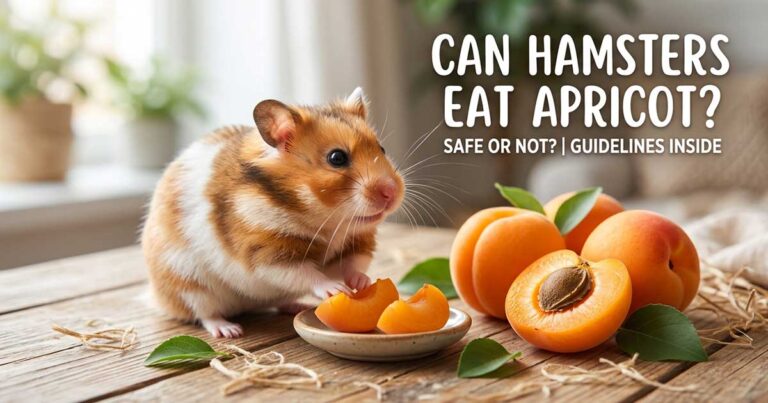
As pet parents, we’re always on the lookout for tasty treats to give our furry friends. But when it comes to fruits, it’s not as simple as sharing what’s on your plate. So, can hamsters eat apricot? The short answer is yes, but with caution. Let’s dive into the details.

Apricot: A Sweet Treat, But Watch Out!

The sweet, juicy apricot can be a delightful surprise for your hamster, but it’s crucial to remember a few things. First and foremost, remove the pit! Apricot pits contain a substance called amygdalin, which breaks down into cyanide when metabolized. Cyanide is toxic to both humans and hamsters. Even a small amount can cause serious harm.

Secondly, apricots are high in sugar. While a tiny bit won’t hurt, feeding your hamster too much can lead to dental issues and obesity. So, moderation is key!

How Much Is Safe?

So, how much apricot can your hamster safely enjoy? Not much, unfortunately. A tiny piece of apricot flesh, about the size of a pea, once or twice a week should be more than enough. Remember, hamsters have tiny tummies, and their diet should primarily consist of commercial hamster food.

  • Remove the pit before giving any apricot to your hamster.
  • Give only a small piece, about the size of a pea, once or twice a week.
  • Monitor your hamster for any signs of digestive upset after introducing apricot to their diet.

Frequently Asked Questions

Can I feed my hamster dried apricots?

It’s best to avoid dried fruits, including dried apricots. They’re high in sugar and lack the moisture that’s crucial for your hamster’s digestive health.

What if my hamster ingested an apricot pit?

If you suspect your hamster has ingested an apricot pit, or if you notice any signs of illness, contact your vet immediately. Symptoms of cyanide poisoning include panting, difficulty breathing, and seizures.

Can I give my hamster other fruits as treats?

Yes, many fruits are safe for hamsters in small amounts. Some examples include apple, banana, and blueberries. However, always remember to remove any seeds or pits and to introduce new foods gradually to avoid digestive upset.

Can Hamsters Eat Beetroot? Complete Guide

0

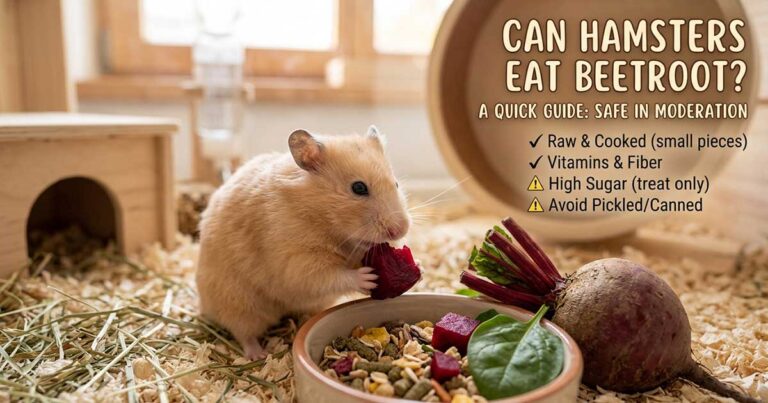
Beetroot, that vibrant red root vegetable, is a nutritional powerhouse for humans, packed with vitamins and minerals. But can our tiny, fluffy friends, hamsters, enjoy this earthy treat too? Let’s delve into the world of hamster nutrition and find out.

Understanding Beetroot for Hamsters

While it’s tempting to share our food with our hamster friends, not all human foods are safe or beneficial for them. Beetroot is one such vegetable that requires careful consideration. Here’s why:

  • High Sugar Content: Beetroot is naturally sweet, with a high sugar content. This can be problematic for hamsters, as excessive sugar can lead to obesity, dental issues, and even diabetes.
  • Low Fiber: Unlike some vegetables, beetroot is not particularly high in fiber. Hamsters need plenty of fiber in their diet to maintain their digestive health.

So, can hamsters eat beetroot at all? The short answer is yes, but with extreme caution. A tiny piece of beetroot, given occasionally, should not harm your hamster. However, it’s crucial to keep the serving size very small and the frequency rare.

How Much Is Safe?

The general rule of thumb is to offer new foods to your hamster in amounts no larger than a single sunflower seed kernel. This is especially important with high-sugar foods like beetroot. Here’s a simple guide:

  • Syrian Hamsters: A tiny piece of beetroot, roughly the size of a sunflower seed kernel, once every two weeks.
  • Dwarf Hamsters: Even less due to their smaller size. A speck of beetroot, about half the size of a sunflower seed kernel, once every three weeks.

Remember, these are just guidelines. Always monitor your hamster for any signs of digestive upset, such as decreased appetite, lethargy, or unusual stool. If you notice any of these signs, stop offering beetroot immediately and consult with your vet.

Frequently Asked Questions

Q: Can I give my hamster cooked beetroot?

A: Yes, cooked beetroot is safer for your hamster than raw, as the cooking process can reduce the sugar content. However, the serving size and frequency should still be kept very small and rare.

Q: Can my hamster eat beetroot greens?

A: Yes, beetroot greens are a safer option than the root itself. They are higher in fiber and lower in sugar. You can offer them to your hamster as a occasional treat, but again, in small amounts.

Q: What should I do if my hamster accidentally eats too much beetroot?

A: If your hamster has eaten more beetroot than they should, keep an eye on them for any signs of digestive upset. If they seem lethargic, have a decreased appetite, or produce unusual stool, contact your vet immediately.

In conclusion, while a tiny piece of beetroot occasionally won’t harm your hamster, it’s crucial to remember that their diet should primarily consist of high-quality hamster food and safe vegetables and fruits. Always introduce new foods gradually and in small amounts to prevent digestive upset.

Can Hamsters Eat Plum? Complete Guide

0

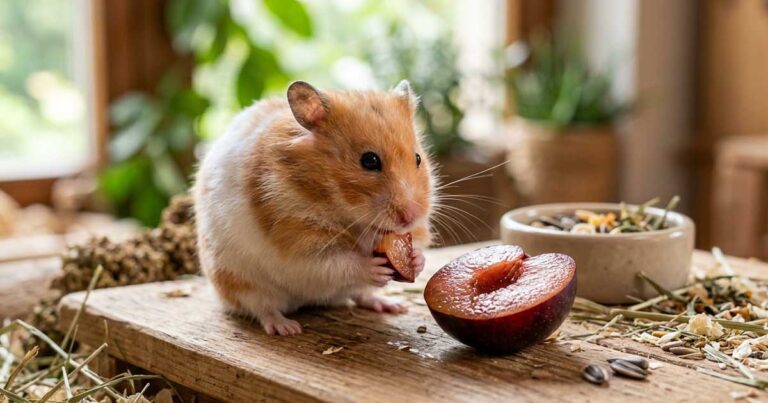
It’s a common question among pet owners – can hamsters eat plum? While it might seem like a harmless treat, the answer is a resounding no. Let’s explore why plums are not suitable for our furry friends.

Why Can’t Hamsters Eat Plums?

Plums might seem like a healthy fruit choice, but they contain two main ingredients that make them unsuitable for hamsters – pits and high sugar content.

  • Pit: The Toxic Element – The pit or stone of a plum contains amygdalin, a toxic substance that can be harmful to hamsters. If ingested, it can cause serious health issues, including seizures and even death.
  • High Sugar Content: A Sweet Concern – Plums are high in sugar, with one medium-sized plum containing about 7 grams. While this might not seem like much, it’s a significant amount for a hamster, considering their tiny size and low-sugar diet.Feeding plums to your hamster can lead to obesity, dental issues, and even diabetes. It’s best to stick to hamster-safe fruits and vegetables to ensure their health and well-being.

    How Much Is Safe? None!

    Even a small piece of plum pit can pose a serious risk to your hamster. The high sugar content in the flesh is also something to avoid. It’s best to steer clear of plums altogether when it comes to your hamster’s diet.

    Frequently Asked Questions

    What Can I Feed My Hamster Instead?

    There are plenty of hamster-safe fruits and vegetables that you can introduce to your hamster’s diet. Some popular choices include:

    • Apple (without seeds or core)
    • Banana
    • Carrot
    • Broccoli
    • Spinach

    What Should I Do If My Hamster Eats a Plum Pit?

    If you suspect your hamster has eaten a plum pit, monitor them closely for any signs of illness. Symptoms can include lethargy, seizures, or difficulty breathing. If you notice any of these signs, contact your vet immediately.

    Can I Feed My Hamster Dried Plums?

    No, dried plums (also known as prunes) are even higher in sugar than fresh plums and should also be avoided. Stick to hamster-safe treats and consult with your vet if you’re unsure about any food items.


Can Hamsters Eat Pomegranate? Complete Guide

0

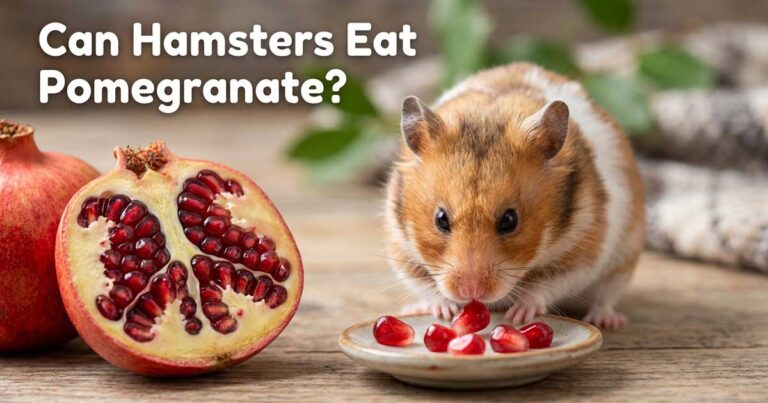
Hello, tiny pet parents! Today, we’re diving into the delicious world of pomegranates and finding out if our furry friends, the hamsters, can join in on the fruity fun. Spoiler alert: they can’t. But don’t worry, we’ve got plenty of safe alternatives to keep your hamster happy and healthy.

Why Pomegranates Are Off-Limits for Hamsters

Pomegranates are packed with flavor, but they’re also packed with tannins and acid. These two ingredients are a no-no for our little hamster friends. Here’s why:

  • Tannins: These are astringent compounds found in many plants. While they’re safe for us humans in small amounts, they can cause digestive problems for hamsters. Tannins can irritate their stomach linings and even lead to diarrhea.
  • Acidity: Hamsters have sensitive tummies, and pomegranates are just too acidic for them. Feeding them acidic foods can lead to stomach upsets and other digestive issues.

How Much Is Safe?

You might be thinking, “But what if I only give my hamster a tiny bit?” Sorry to disappoint, but even a small piece of pomegranate can cause problems. It’s best to avoid pomegranates altogether and stick to hamster-safe fruits and veggies.

Safe Alternatives for Your Hamster

Now that we know pomegranates are a no-no, let’s talk about some yummy alternatives your hamster can enjoy. Here are a few ideas:

  • Strawberries: These are a hamster favorite! Just make sure to remove the leaves and stalk.
  • Blueberries: These are packed with antioxidants and are a great treat for your hamster.
  • Carrots: A classic hamster snack. Just make sure to cut them into small, manageable pieces.

Frequently Asked Questions

Q: Can hamsters eat pomegranate seeds?

A: No, hamsters shouldn’t eat pomegranate seeds. They’re too high in acid and tannins, just like the fruit itself.

Q: What if my hamster accidentally ate a small piece of pomegranate?

A: If your hamster has only eaten a small piece, they should be okay. However, keep an eye on them for any signs of stomach upset, such as diarrhea or lethargy. If you notice any issues, contact your vet.

Q: Can hamsters eat pomegranate juice?

A: No, hamsters shouldn’t drink pomegranate juice. It’s just as acidic and high in tannins as the fruit, and it’s also high in sugar, which can lead to dental problems and obesity in hamsters.