Home Blog Page 4

Can Hamsters Eat Zucchini? Complete Guide

0

Hello, pet parents! Today, we’re diving into the wonderful world of hamster nutrition to find out if our fluffy friends can enjoy some zucchini. The verdict is in, and it’s a resounding yes! But, as always, there are some important things to consider. Let’s get started!

Why Zucchini is Great for Hamsters

Zucchini is not only tasty but also packed with goodness for our little friends. It’s high in water content, which is fantastic for keeping them hydrated. Plus, it’s rich in vitamins like A, B6, and C, as well as potassium and manganese. That’s a lot of nutritional bang for your buck!

How to Serve Zucchini to Your Hamster

Serving zucchini to your hamster is super easy. Just make sure to:

  • Wash the zucchini thoroughly to remove any dirt or residue.
  • Cut it into small, bite-sized pieces to prevent choking.
  • Offer the zucchini raw. Cooked zucchini can be hard for hamsters to digest.

How Much Is Safe?

While zucchini is great for hamsters, it’s still important to feed it in moderation. As a general rule, treats like zucchini should make up no more than 10% of your hamster’s diet. This means you can offer a small piece or two of zucchini a couple of times a week. Remember, variety is key in a hamster’s diet, so try to switch up their veggie treats regularly.

Frequently Asked Questions

Can I give my hamster zucchini skin?

It’s best to avoid giving your hamster zucchini skin. It can be tough for them to digest and might cause digestive issues.

Can I feed my hamster zucchini noodles?

No, it’s not a good idea to give your hamster zucchini noodles. They’re often cooked and seasoned, which can be harmful to hamsters. Stick to raw, unseasoned zucchini.

Can my hamster eat zucchini flowers?

Yes, hamsters can eat zucchini flowers! They’re actually a great source of nectar and pollen, which can be beneficial for your hamster. Just make sure they’re thoroughly washed and cut into small pieces.


 

Can Dogs Eat Cherry? Complete Guide

0

We know how much you love to share your favorite treats with your furry friend, but when it comes to cherries, it’s best to keep them to yourself. Here’s why.

Why Cherries Are Dangerous for Dogs

Cherries contain cyanide in their pits, stems, and leaves. While the flesh is technically safe for dogs, the risk of ingestion is high as dogs often swallow pits whole. Here’s a breakdown:

  • Pits: The pits contain cyanide, which is toxic to dogs. Ingesting even one pit can cause serious problems.
  • Stems and Leaves: These parts also contain cyanide and should be avoided.
  • Ingestion Risk: Dogs often swallow pits whole, either accidentally or because they like the taste of the fruit.

How Much Is Safe?

Technically, a small amount of cherry flesh may be safe. However, we strongly advise avoiding cherries entirely due to the high risk of pit ingestion. It’s not worth the risk.

What If My Dog Ate a Cherry?

If your dog ate a cherry, especially if you suspect they’ve ingested the pit, stem, or leaves, contact your vet immediately. Symptoms of cyanide poisoning include dilated pupils, difficulty breathing, and collapse.

Frequently Asked Questions

1. Can I give my dog cherry-flavored treats?

While cherry-flavored treats may not contain cyanide, they often contain other ingredients that could be harmful to dogs, such as artificial sweeteners or high amounts of sugar. Always check the ingredients and consult with your vet.

2. What about other fruits? Can my dog eat them?

Some fruits are safe for dogs in moderation, such as bananas, blueberries, and apples (without seeds or core). However, others like grapes and raisins are toxic. Always research or ask your vet before sharing.

3. Are there any fruits that are always safe for dogs?

While many fruits can be safe for dogs in moderation, the best option is always dog-safe treats or dog-specific dental chews. These are designed to be safe and beneficial for your dog’s teeth and overall health.


Can Dogs Eat Pork? Complete Guide

0

We all love treating our furry friends to a little something extra now and then. But when it comes to pork, it’s important to know what’s safe and what’s not. So, can dogs eat pork? The simple answer is yes, but with caution. Let’s dive into the details.

Is Pork Safe for Dogs?

Plain, cooked, lean pork is generally safe for dogs to eat. It’s a good source of protein and vitamins like B1, B6, and B12. However, it’s crucial to remember that pork is higher in fat than other lean proteins like chicken. Excessive fat can lead to obesity and other health issues in dogs.

Here’s what you need to remember:

  • Cooked only: Raw pork can harbor parasites like Trichinella spiralis, which can cause trichinellosis in dogs.
  • Lean cuts: Opt for lean pork cuts to keep the fat content low.
  • Plain and unseasoned: No salt, garlic, onion, or spices. These can be harmful or toxic to dogs.

How Much Is Safe?

Introduce pork to your dog’s diet gradually, monitoring their reaction. Start with small amounts, no more than 10% of their daily caloric intake. If you’re unsure, consult your vet for advice tailored to your dog’s size, age, and health.

Remember, treats should make up no more than 10% of your dog’s daily calories. The rest should come from a balanced dog food diet.

Frequently Asked Questions

Q: Can I give my dog cooked, seasoned pork?

A: While it might seem harmless, seasoned pork can be harmful to dogs. Onions, garlic, and spices are common in seasoning mixes and can be toxic to dogs. Stick to plain, unseasoned pork.

Q: What about raw pork? Is it ever safe for dogs?

A: We strongly advise against feeding your dog raw pork due to the risk of parasitic infections. Always ensure pork is cooked thoroughly before giving it to your dog.

Q: Can I give my dog pork bones?

A: Pork bones, especially cooked ones, can be dangerous. They can splinter and cause internal damage. It’s best to avoid giving your dog pork bones or any bones at all, if possible.


Can Dogs Eat Pretzel? Complete Guide

0

Hello, pet parents! Today, we’re diving into a question that’s been keeping tails wagging: can dogs eat pretzels? Unfortunately, the answer is a big, barking no.

Why Pretzels Are a No-No

Pretzels might be a tasty treat for us humans, but they’re not so great for our furry friends. The main issue lies in the high sodium content. While a sprinkle of salt might not seem like much to us, it can be extremely harmful to dogs.

  • High Sodium Content: Pretzels are packed with salt, with some brands containing up to 500mg of sodium per ounce. That’s a lot, even for us, and far too much for dogs.
  • Salt Toxicity: Even small amounts of salt can cause problems for dogs. In significant amounts, it can be toxic, leading to symptoms like vomiting, diarrhea, seizures, and even death.

How Much Is Safe?

So, how much is too much? As a general rule, dogs should consume no more than 10mg of sodium per pound of their body weight per day. That’s not much, considering a typical pretzel can contain up to 140mg of sodium.

For instance, if your dog weighs 20 pounds, they should have no more than 200mg of sodium per day. That’s just over 1.4 pretzels (assuming 140mg of sodium per pretzel). Not worth the risk, right?

Dog-Safe Snacks: What Can They Have?

Now that you know pretzels are off the menu, you might be wondering what you can give your dog instead. Here are a few dog-safe snack ideas:

  • Carrots: They’re low-calorie, crunchy, and great for teeth cleaning.
  • Peanut Butter: Stick to unsalted, unsweetened varieties and avoid xylitol (a toxic sweetener).
  • Cooked Chicken or Turkey: Make sure it’s plain, unseasoned, and boneless.

Frequently Asked Questions

1. What about plain, unsalted pretzels?

Even unsalted pretzels can be a choking hazard due to their hard texture. Plus, they still contain carbohydrates that dogs don’t need in their diet.

2. My dog loves pretzels. Can I give them just a little bit?

It’s always best to avoid giving dogs foods they’re not supposed to have. A little bit might not seem like much, but it can add up and cause health issues over time. Instead, opt for dog-safe snacks.

3. What should I do if my dog ate a pretzel?

If your dog ate a pretzel and shows no signs of illness, they’re likely fine. However, keep an eye on them for any unusual symptoms like vomiting, diarrhea, or excessive thirst. If you notice anything unusual, contact your vet.

And there you have it, folks! While pretzels might be a tasty treat for us, they’re best left off our dogs’ menus. Thanks for reading, and remember: always check with your vet before introducing new foods to your dog’s diet.


Can Dogs Eat Prune? Complete Guide

0

Hello, pet parents! Today we’re diving into the question that’s been circling our tails: can dogs eat prunes? Let’s get into the nitty-gritty, chew on the facts, and figure out how we can safely incorporate these wrinkly treats into our furry friends’ diets.

What Are Prunes?

Prunes, also known as dried plums, are nature’s little nuggets of fiber and nutrients. They’re packed with vitamins, minerals, and yes, even some sugar. But when it comes to our dogs, it’s not all sunshine and rainbows. Prunes have a special power – they act as natural laxatives. That’s right, they can get things… moving.

So, Can Dogs Eat Prunes?

In a word: yes. But hold onto your leashes, because there’s a catch. Prunes can help relieve constipation in our dogs, which is fantastic news for those tail-wagging pooches who need a little extra oomph. But, and this is a big but (just like the one you have to squeeze past to get to the dog park), too many prunes can cause diarrhea. It’s a double-edged sword, folks.

How Much Is Safe?

Remember, we’re talking about natural laxatives here. The key to keeping your dog’s digestion in tip-top shape is moderation. Here’s a simple rule of thumb:

  • The pit: NEVER give your dog a prune with the pit. It’s a choking hazard and may cause intestinal blockage. Always remove the pit.
  • The amount: ONE prune at a time is all you need. Start with a small piece and see how your dog reacts. If they handle it well, you can try a whole prune next time.

Frequently Asked Questions

1. Can I give my dog prune juice instead?

Prune juice is stronger than whole prunes, so it’s best to avoid it. The high sugar content and potent laxative effect can cause more harm than good. Stick to whole prunes, and only when necessary.

2. What if my dog eats a whole handful of prunes?

If you suspect your dog has eaten too many prunes, keep an eye on them. You might see some loose stools, but if their condition worsens or they show signs of discomfort, call your vet right away.

3. Can puppies eat prunes?

It’s best to avoid giving prunes to puppies. Their digestive systems are still developing, and prunes could cause more harm than good. Always consult with your vet before introducing new foods to your puppy’s diet.

And there you have it, folks! Prunes can be a helpful tool in your dog’s digestive toolbox, but they’re not a toy to be played with. Always remember: a little goes a long way. Now, go forth and conquer those constipation conundrums, safely and responsibly!


Can Dogs Eat Pumpkin? Complete Guide

0

We’re thrilled to share some exciting news with all the dog lovers out there! Plain cooked pumpkin is an absolute superfood for our furry friends. It’s not just a treat for Thanksgiving; it’s a year-round wonder that can help with a wide range of tummy troubles and provides a host of nutrients.

Why Pumpkin is Pawsome for Dogs

  • Excellent for Digestive Health: Pumpkin is a natural remedy for both diarrhea and constipation. It’s high in fiber, which helps regulate your dog’s digestive system.
  • High in Fiber: This helps your dog feel fuller for longer, which can be beneficial for maintaining a healthy weight.
  • Packed with Vitamins: Pumpkin is rich in vitamins A and C, which support your dog’s immune system and overall health.
  • Low Calorie: It’s a great treat option for dogs watching their weight.

How to Serve Pumpkin to Your Furry Friend

When serving pumpkin to your dog, remember to keep it plain and simple. Cooked or canned pumpkin (not pumpkin pie filling) is the way to go. Stay away from any added spices, sugars, or salt. A little bit goes a long way, so start with small amounts to see how your dog tolerates it.

How Much Is Safe?

For most dogs, a serving size of 1-4 tablespoons per day is recommended. However, always consult with your vet to determine the best amount for your dog based on their size, age, and overall health. Remember, even healthy foods can cause upset tummies if given in excess.

Frequently Asked Questions

Can I Give My Dog Pumpkin Pie?

While it might be tempting to share your pumpkin pie with your dog, it’s best to avoid it. Pie filling is high in sugar and spices, which can be harmful to dogs. Stick to plain cooked or canned pumpkin.

Can I Use Canned Pumpkin Instead of Cooked?

Yes, you can! Just make sure it’s 100% pure pumpkin, not pumpkin pie filling. Canned pumpkin is convenient and just as nutritious. Just be sure to choose a brand that’s free from added salt and other additives.

Is Pumpkin Safe for Dogs with Allergies?

While pumpkin is generally safe for most dogs, it’s always a good idea to introduce new foods gradually and watch for any adverse reactions. If your dog has known food allergies, consult with your vet before adding pumpkin to their diet.

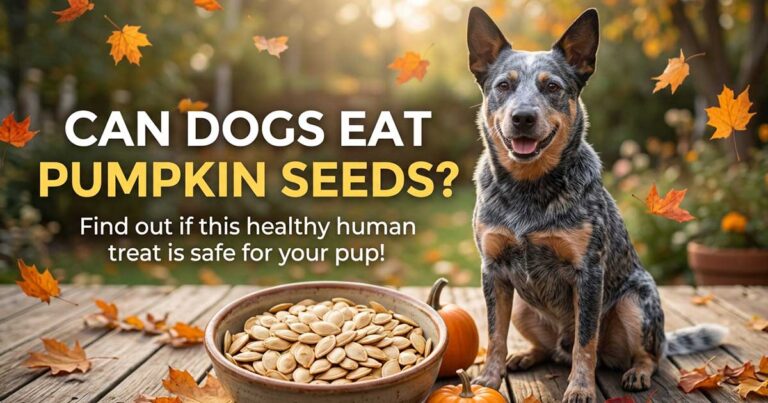
Can Dogs Eat Pumpkin Seeds? Complete Guide

0

Hello, pet parents! Today, we’re diving into the snack aisle to find out if pumpkin seeds are a tasty treat your furry friend can enjoy. Spoiler alert: the answer is yes, and we’ve got some pawsome benefits and serving tips to share!

Benefits of Pumpkin Seeds for Dogs

Pumpkin seeds aren’t just for carving jack-o’-lanterns – they’re packed with nutrients that can boost your dog’s health. Here are a few reasons to add them to your dog’s diet:

  • Urinary Health: The high fiber content in pumpkin seeds can help promote regular bowel movements, which can indirectly support urinary health by preventing constipation and reducing the risk of urinary tract infections.
  • Parasite Prevention: Some studies suggest that pumpkin seeds may have a natural deworming effect, helping to prevent and eliminate certain parasites like tapeworms.

How to Serve Pumpkin Seeds to Your Dog

Now that you know pumpkin seeds are a healthy treat for your dog, let’s discuss how to serve them safely:

  • Plain: The best way to serve pumpkin seeds is plain and unsalted. Avoid flavored or salted seeds, as excess salt can be harmful to dogs.
  • Roasted: You can roast pumpkin seeds at home without any added salt or seasonings. Just make sure they’re not burnt, as burnt food can be toxic to dogs.
  • Ground or Whole: Whether you choose to feed your dog whole or ground pumpkin seeds depends on your dog’s preference and chewing ability. Smaller dogs or dogs with dental issues might find ground seeds easier to digest.

How Much Is Safe?

While pumpkin seeds are a healthy treat, they should be given in moderation as part of your dog’s balanced diet. A general guideline is to offer no more than 10 seeds per 10 pounds of body weight per day. Always consult with your veterinarian before introducing new foods to your dog’s diet, especially if your dog has any health conditions or food sensitivities.

Don’t forget to remove the shells whenever possible, as they can pose a choking hazard or cause digestive upset if ingested in large amounts.

Frequently Asked Questions

1. Can dogs eat pumpkin seed shells?

While some dogs may be able to pass pumpkin seed shells without issue, it’s best to avoid them whenever possible. Shells can cause digestive upset or pose a choking hazard, so it’s safest to remove them before serving pumpkin seeds to your dog.

2. Can pumpkin seeds cause an upset stomach in dogs?

Some dogs may experience digestive upset, such as vomiting or diarrhea, when first introduced to pumpkin seeds or when consuming them in large amounts. If your dog has a sensitive stomach, it’s essential to introduce pumpkin seeds gradually and monitor for any adverse reactions.

3. Are pumpkin seeds toxic to dogs?

Pumpkin seeds are generally safe for dogs, but they can become toxic if not prepared correctly or if ingested in large amounts. Uncooked or undercooked seeds can contain harmful bacteria, while burnt seeds can be toxic due to the formation of harmful compounds during the cooking process. Additionally, feeding your dog too many pumpkin seeds can lead to digestive upset or cause a blockage if the seeds are not properly chewed and digested.

There you have it, pet parents! Pumpkin seeds can be a tasty and nutritious treat for your furry friend when served safely and in moderation. Always consult with your veterinarian if you have any questions or concerns about introducing new foods to your dog’s diet.

Can Dogs Eat Quinoa? Complete Guide

0

Hey there, pet parents! Today, we’re diving into the pantry to find out if quinoa, that superfood we humans love so much, is safe and beneficial for our furry friends. Spoiler alert: it is! Let’s jump right in.

Why Quinoa is a Pawsome Addition to Your Dog’s Diet

Quinoa, a gluten-free grain packed with nutrients, can be a fantastic addition to your dog’s diet. Here’s why:

  • Complete Protein: Unlike many grains, quinoa is a complete protein, meaning it contains all the essential amino acids your dog needs.
  • Good Amino Acid Profile: Quinoa has a balanced amino acid profile, which is crucial for muscle maintenance and repair.
  • Gluten-free: This makes it an excellent alternative grain for dogs with sensitivities or allergies to wheat, corn, or other common grains.

How to Serve Quinoa to Your Dog

Introducing quinoa to your dog’s diet is easy-peasy. Just ensure it’s cooked well and cooled before serving. Here’s how:

  1. Rinse 1 cup of quinoa under cold water to remove any bitterness.
  2. Combine the quinoa with 2 cups of water or broth (chicken or beef) in a pot.
  3. Bring to a boil, then reduce heat to low and let it simmer for 15-20 minutes, or until the quinoa has absorbed all the liquid and is tender.
  4. Let it cool completely before serving.
  5. Mix a small amount (start with 1-2 teaspoons) with your dog’s regular food.

Gradually increase the amount over a week to avoid upsetting your dog’s tummy. Remember, moderation is key – quinoa should make up no more than 10% of your dog’s daily calories.

How Much Quinoa is Safe for Dogs?

The general rule is to start with small amounts and gradually increase based on your dog’s size and tolerance. Here’s a simple guide:

  • Small dogs (under 20 lbs): 1-2 teaspoons, up to 2 times a week.
  • Medium dogs (20-50 lbs): 1-2 tablespoons, up to 3 times a week.
  • Large dogs (over 50 lbs): 2-4 tablespoons, up to 4 times a week.

Always consult with your vet before making significant changes to your dog’s diet.

Frequently Asked Questions

1. Can I give my dog uncooked quinoa?

No, never feed your dog uncooked quinoa. It’s hard to digest and can cause tummy upset. Plus, raw quinoa contains saponin, a natural protective compound that can be toxic in large amounts.

2. Can quinoa cause allergies in dogs?

While rare, yes, quinoa can cause allergic reactions in some dogs. If you notice any adverse symptoms after feeding your dog quinoa, stop immediately and consult your vet.

3. Can I feed my dog quinoa-based dog food?

Yes, quinoa-based dog food can be a great option for dogs with grain sensitivities or allergies. However, always choose high-quality dog food from reputable brands and consult your vet first.

And there you have it! Quinoa, the superfood that’s not just for humans. Remember, while quinoa is safe and nutritious for dogs, it should supplement, not replace, a balanced diet. Now go forth and feed your furry friend some quinoa – just make sure it’s cooked, cooled, and plain! Happy feeding!

Can Dogs Eat Rabbit Meat? Complete Guide

0

Hello, pet parents! Today we’re diving into a tasty topic – can dogs eat rabbit meat? The short answer is yes, they can, and it’s actually a fantastic treat for your furry friend. Let’s explore the benefits, how to serve it, and how much is safe. We’ll also tackle some frequently asked questions at the end.

Why Rabbit Meat is Excellent for Dogs

  • Very Lean: Rabbit meat is incredibly lean, with a high protein content and very little fat. This makes it an excellent choice for dogs who need to watch their weight or have specific dietary requirements.
  • Highly Digestible: Rabbit meat is easy for dogs to digest, making it a great option for dogs with sensitive stomachs or those who have had digestive issues in the past.
  • Good for Allergic Dogs: If your dog has food allergies, rabbit meat can be a novel protein source that might not trigger a reaction. Always introduce new proteins gradually and consult with your vet first.

How to Serve Rabbit Meat to Your Dog

When feeding your dog rabbit meat, remember these simple rules:

  • Cook the meat thoroughly. Raw rabbit meat can carry bacteria like salmonella, so it’s essential to cook it before giving it to your dog.
  • No bones. Just like with chicken or fish, never feed your dog rabbit bones as they can pose a choking hazard or cause injury.
  • No seasoning. Stick to plain, unseasoned rabbit meat. Onions, garlic, and other seasonings can be harmful to dogs.

How Much Is Safe?

When introducing rabbit meat to your dog’s diet, start with small amounts and gradually increase as you monitor their reaction. A good rule of thumb is to feed no more than 10% of your dog’s daily calories in treats, including rabbit meat.

Here’s a quick guide to help you out:

  • Small dogs (under 20 lbs): 1-2 oz of cooked rabbit meat per day.
  • Medium dogs (20-50 lbs): 2-4 oz of cooked rabbit meat per day.
  • Large dogs (over 50 lbs): 4-6 oz of cooked rabbit meat per day.

Always remember that treats should make up no more than 10% of your dog’s daily caloric intake. Adjust the amounts accordingly if your dog has specific dietary needs or weight management concerns.

Frequently Asked Questions

Can I feed my dog raw rabbit meat?

We don’t recommend feeding your dog raw rabbit meat due to the risk of bacterial infections like salmonella and E. coli. Always cook meat thoroughly before giving it to your dog.

Can I give my dog rabbit skin and fur?

It’s best to avoid giving your dog rabbit skin and fur, as they can be difficult to digest and may cause stomach upset. Stick to lean, boneless meat for your dog’s rabbit treats.

Can I feed my dog rabbit meat every day?

While rabbit meat is a wonderful treat for dogs, it’s not recommended to feed it to them every day. Aim for a balance of proteins in your dog’s diet, and remember that treats should make up no more than 10% of their daily caloric intake.


Can Dogs Eat Radish? Complete Guide

0

Hello, pet parents! Today, we’re diving into a question that’s been sprouting up in our inbox: can dogs eat radish? The short answer is, yes, they can, but as with many human foods, it’s a case of ‘with caution’. So, let’s get stuck in!

Is Radish Safe for Dogs?

First things first, radishes are not toxic to our furry friends. This means you don’t need to rush to the vet if your dog has accidentally gobbled up a few. However, it’s important to note that radishes can cause gas in dogs. You know what that means – a trip to the dog park might be a little… aromatic!

It’s also worth mentioning that radishes are high in fiber, which can cause tummy upset in some dogs if they eat too much. So, while a small amount is okay, it’s best to keep it as an occasional treat rather than a regular part of their diet.

How Much Is Safe?

So, how much radish is safe for your dog? The general rule of thumb is that treats should make up no more than 10% of your dog’s daily caloric intake. For radishes, a few slices or about a tablespoon of grated radish should do the trick. Remember, it’s all about moderation!

Always introduce new foods gradually and keep an eye on your dog for any signs of tummy upset. If you notice anything unusual, it’s always best to err on the side of caution and contact your vet.

Preparing Radish for Your Dog

When giving your dog radish, it’s best to stick to the plain stuff. Avoid adding any seasonings, as some can be harmful to dogs. Also, make sure to cut the radish into small, manageable pieces to prevent choking.

Here are a few ways you can incorporate radish into your dog’s diet:

  • Raw: You can give your dog raw radish as a crunchy treat. Just make sure to cut it into small pieces.
  • Cooked: Steamed or boiled radish can be a tasty addition to your dog’s dinner. Just remember to let it cool before giving it to them.
  • Pureed: If your dog has a sensitive tummy, pureeing radish can make it easier to digest. Just mix it into their food in small amounts.

Frequently Asked Questions

Q: Can dogs eat radish greens?

A: Yes, dogs can eat radish greens in small amounts. However, they can be quite strong in flavor, so your dog might not be too keen on them. Also, they’re higher in fiber than the root, so they can cause more gas. As always, introduce them gradually and keep an eye on your dog.

Q: Can radish be harmful to dogs?

A: While radish itself isn’t harmful to dogs, it can cause gas and tummy upset if your dog eats too much. Also, some dogs might be allergic to radish, so it’s always best to introduce new foods gradually and keep an eye on your dog.

Q: What should I do if my dog eats too much radish?

A: If your dog eats too much radish, they might experience some tummy upset. Keep an eye on them and make sure they have access to plenty of water. If they show any signs of vomiting or diarrhea, it’s best to contact your vet. In most cases, though, they should be just fine after a day or two.

And there you have it, folks! Radishes can be a tasty treat for your dog, but remember, it’s all about moderation. If you’re ever unsure about whether a food is safe for your dog, it’s always best to check with your vet.

Until next time, happy snacking (for you and your furry friend)!